
Classic Coin
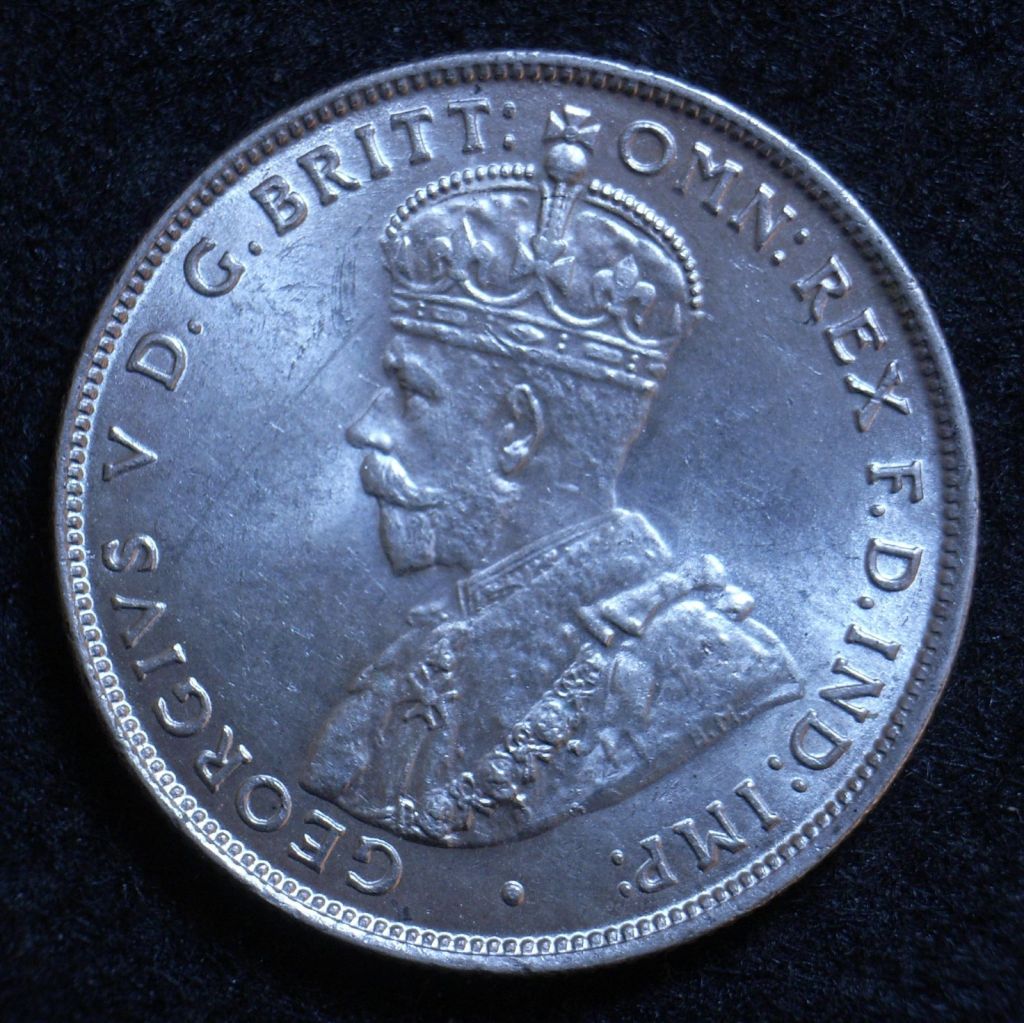
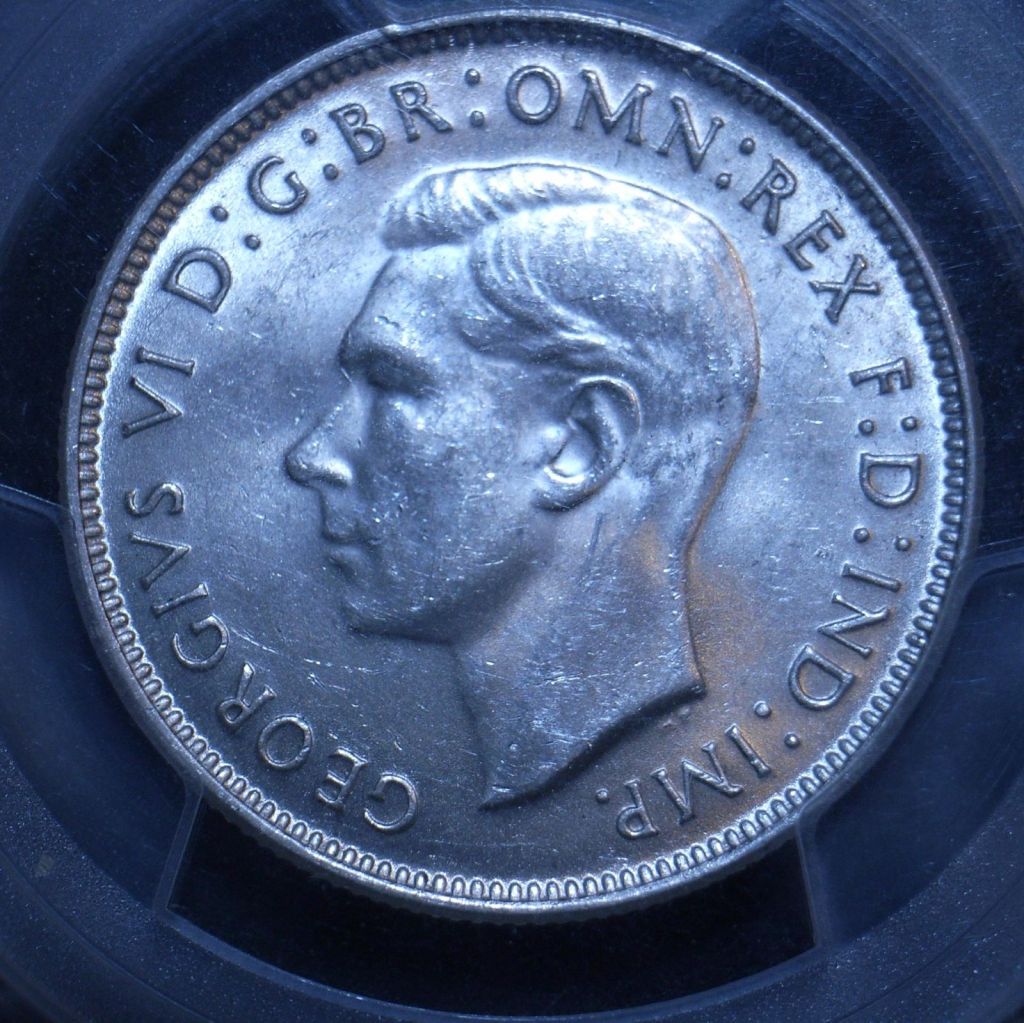
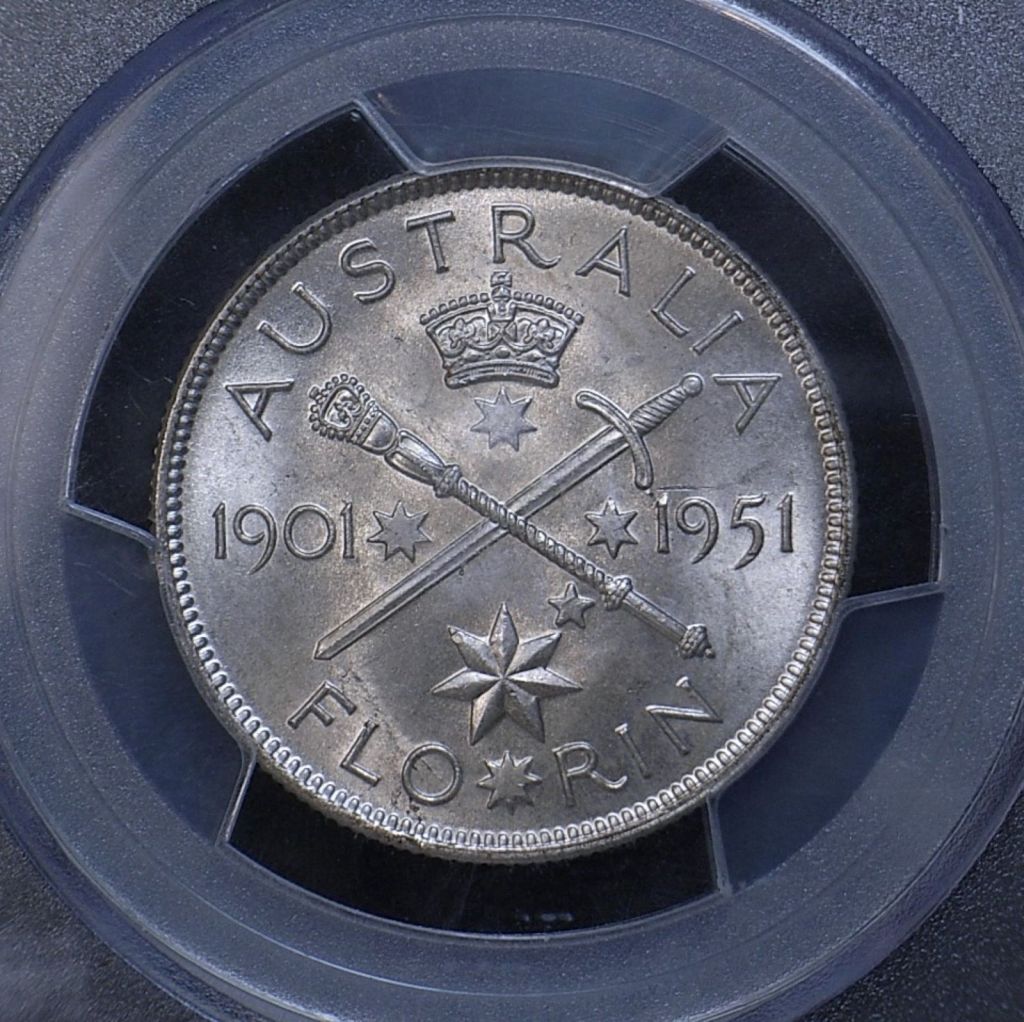
The silver florin is an iconic coin, not too big and not too small – just right – with an accompanying purchasing power that made it useful and convenient during its lifetime. Particularly so in Australia where the larger crowns were not introduced until the late 1930s and turned out to be an unpopular size of coin to the extent that they were only produced in two years before being abandoned.
Unique Design
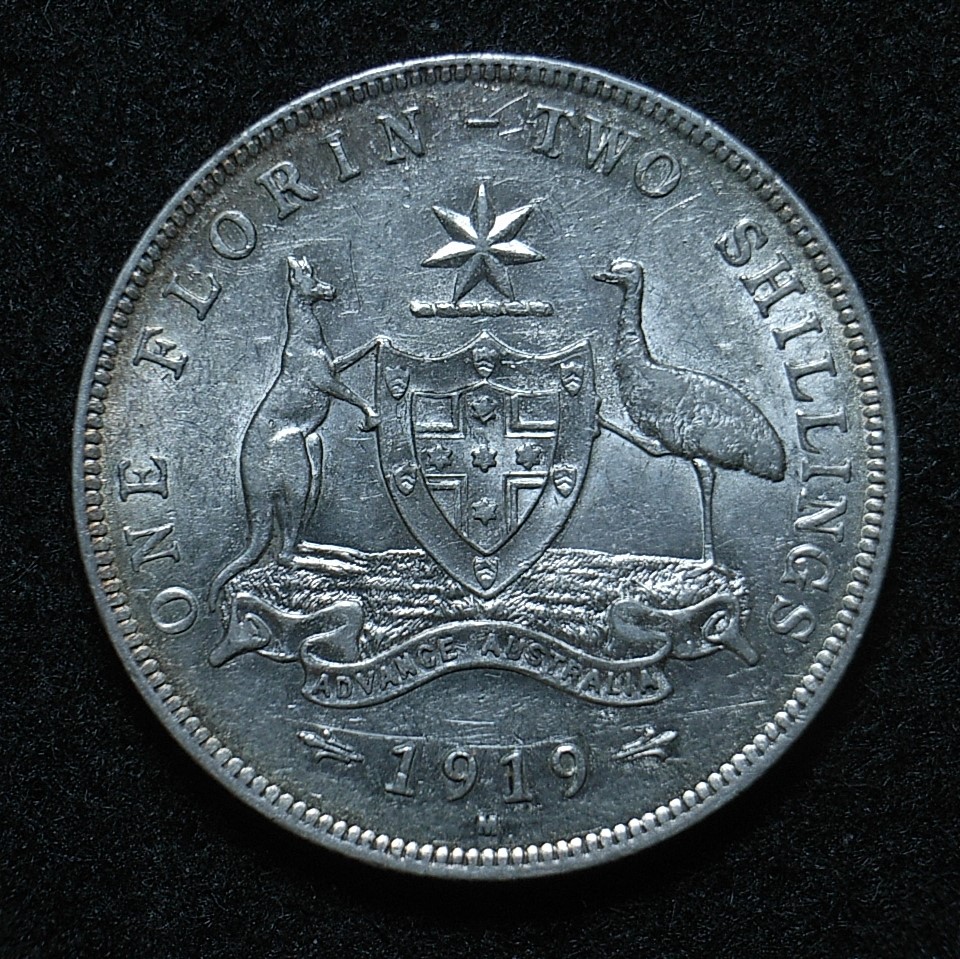
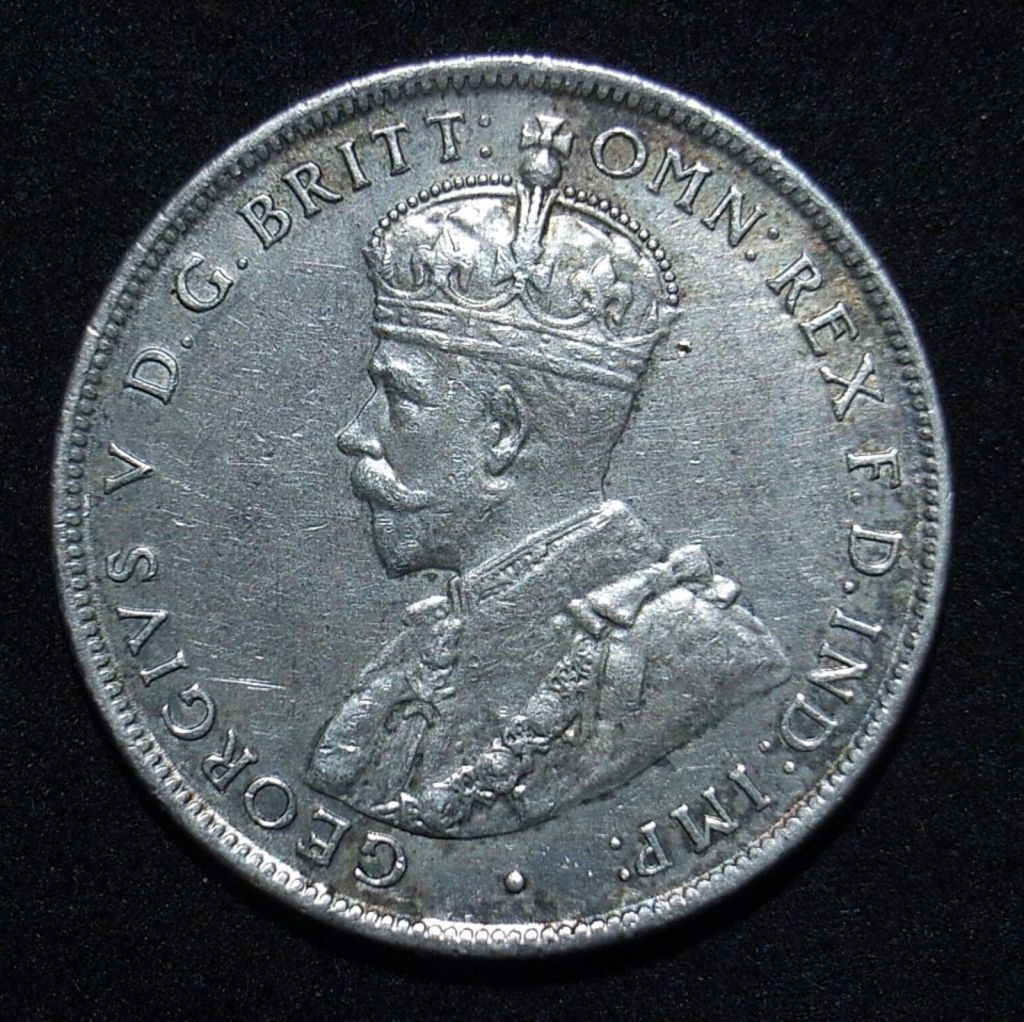
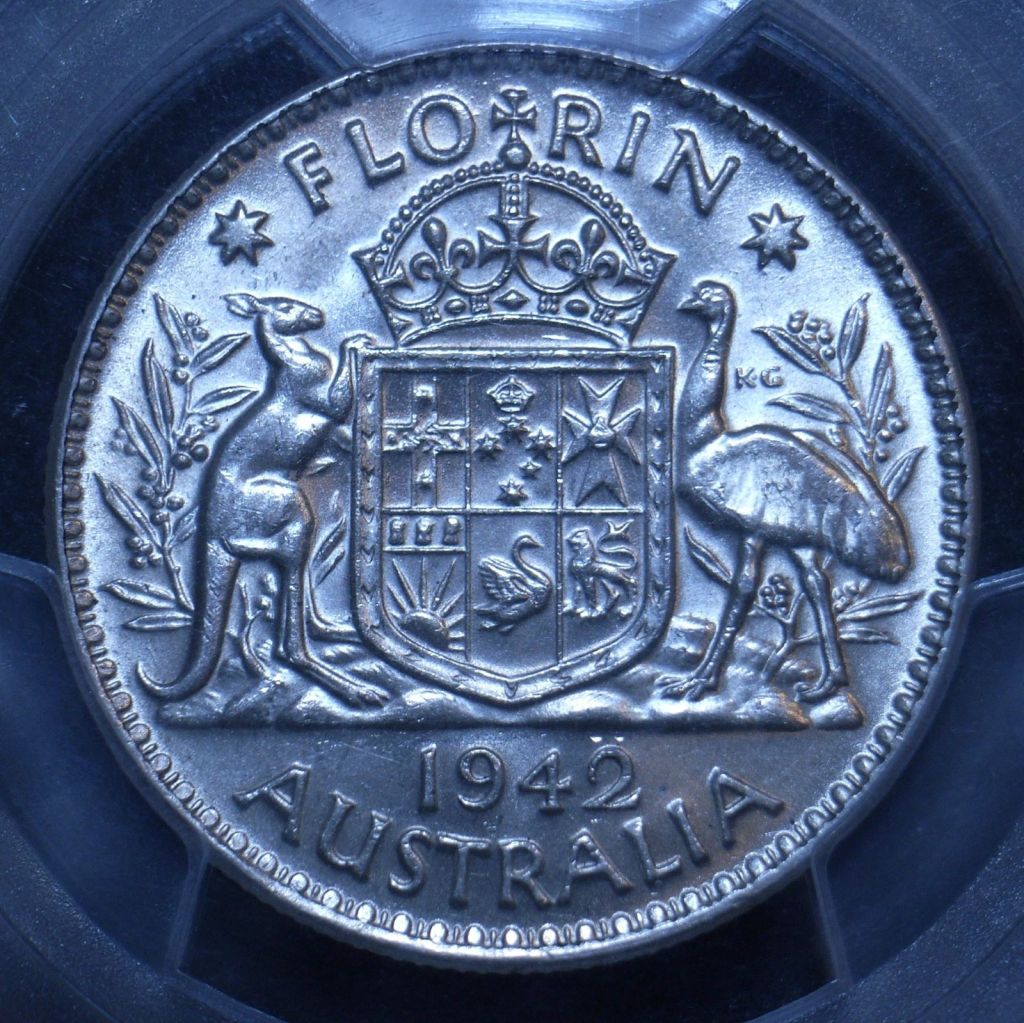
Silver florins feature the kangaroo, an animal immediately identifiable with the land down under, something that may have had an influence on the choice of another uniquely Australian mammal, the platypus, as the creature portrayed on the decimal 20 cent coin, eventual successor to the two shilling piece.
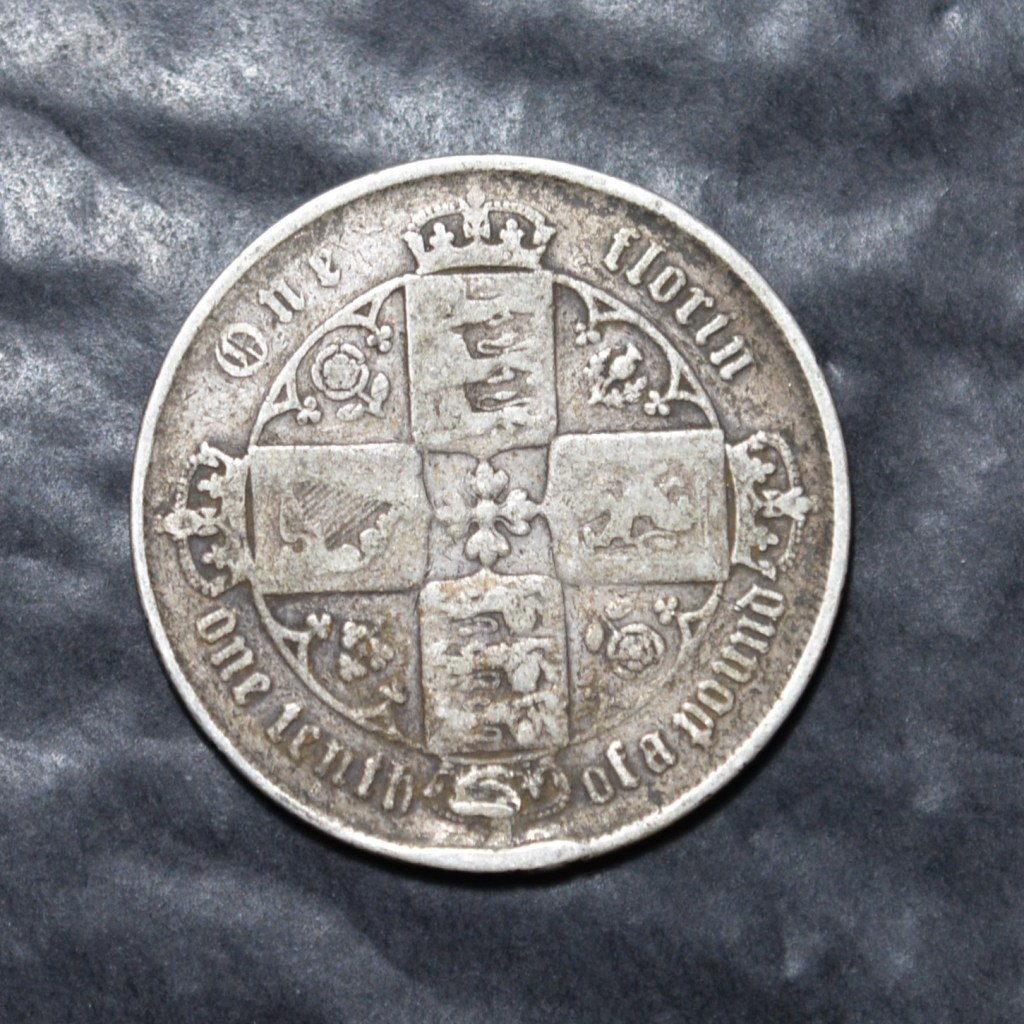
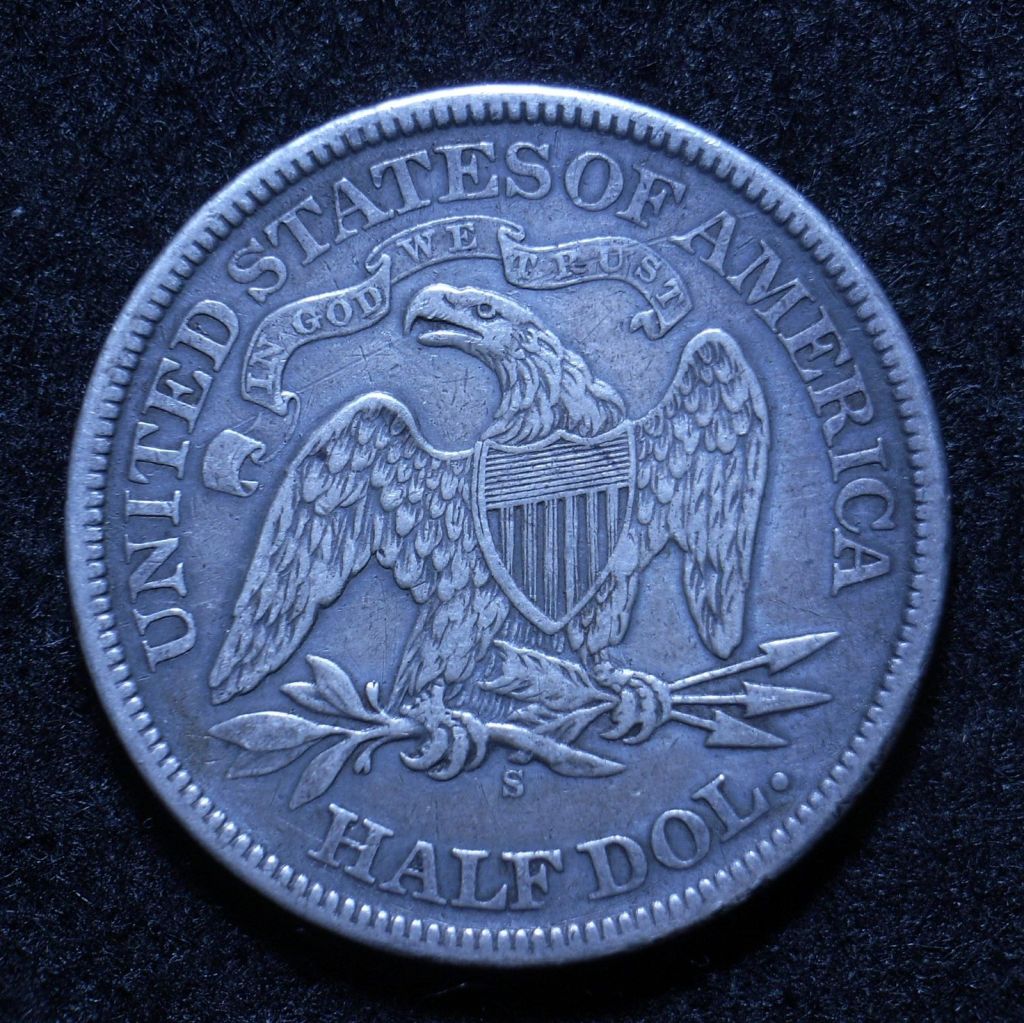
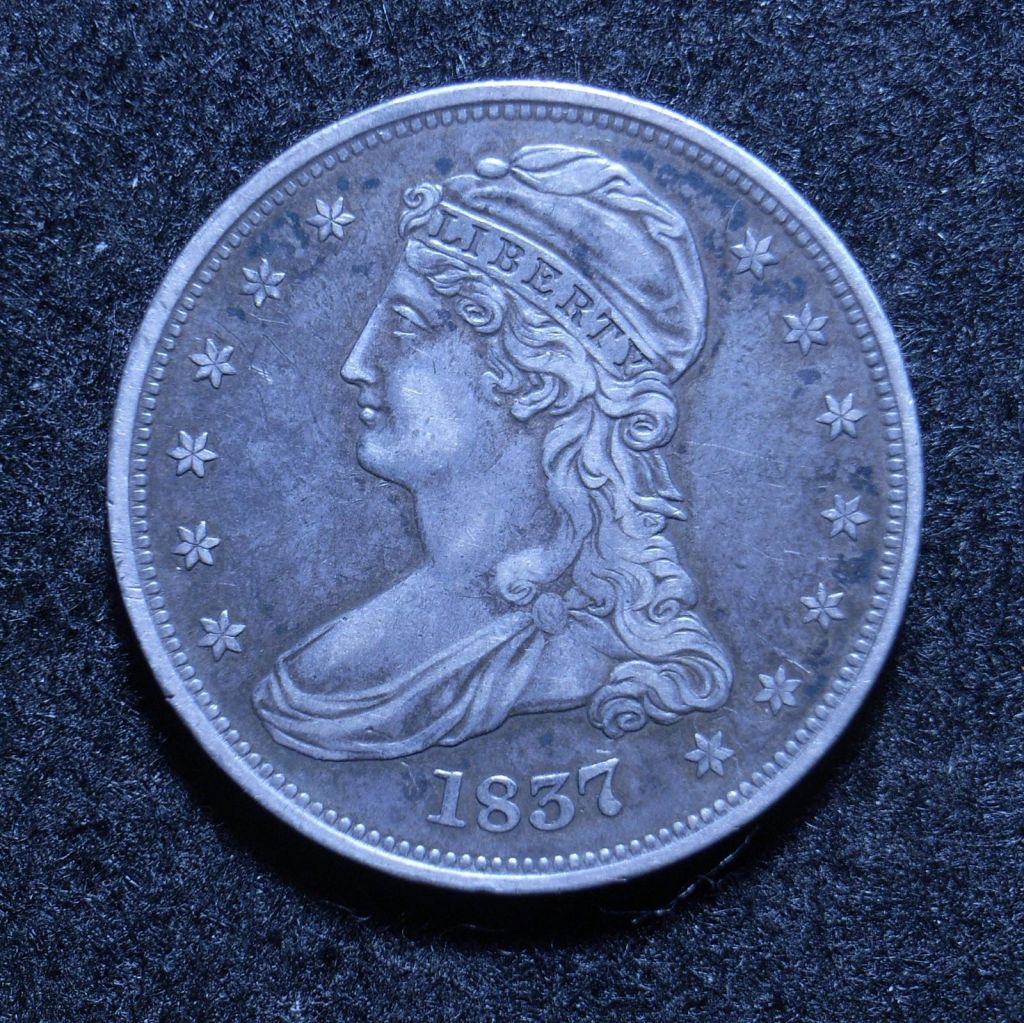
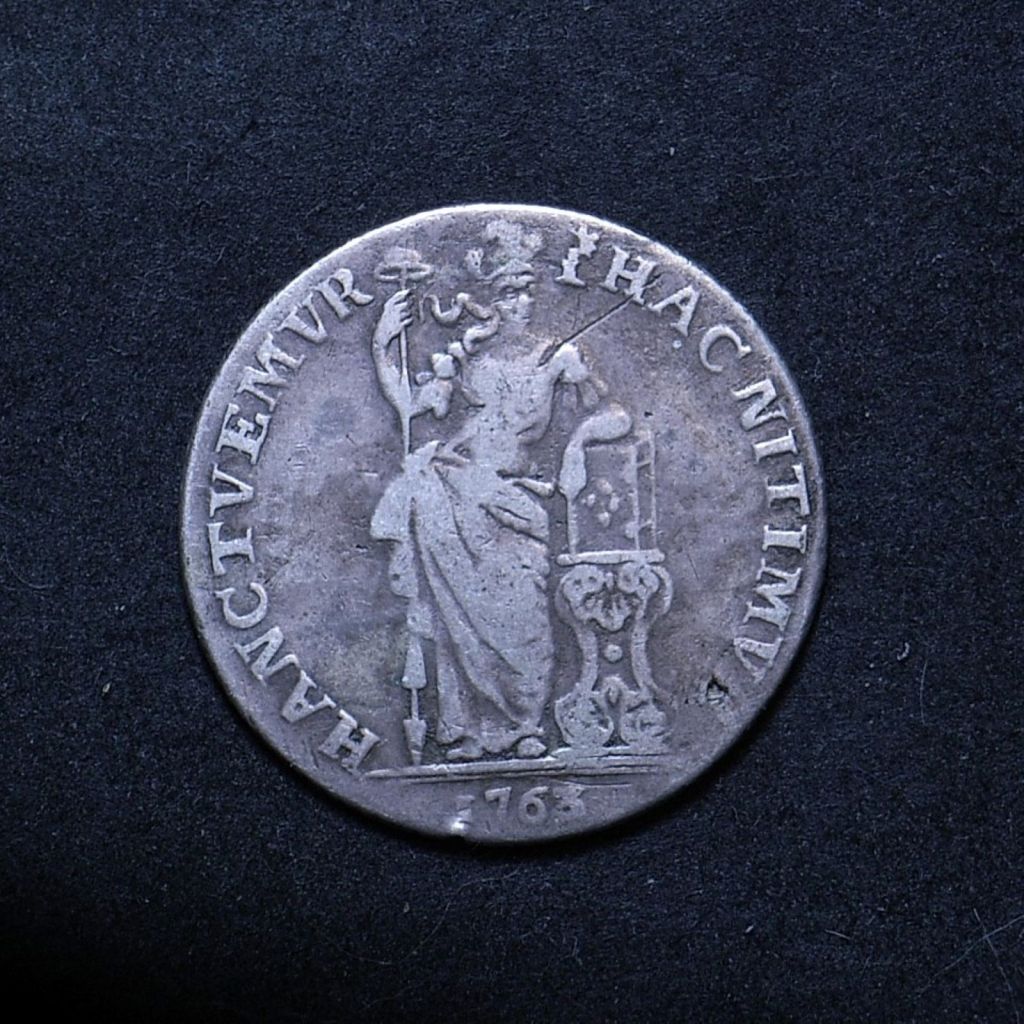

Colonial Australia
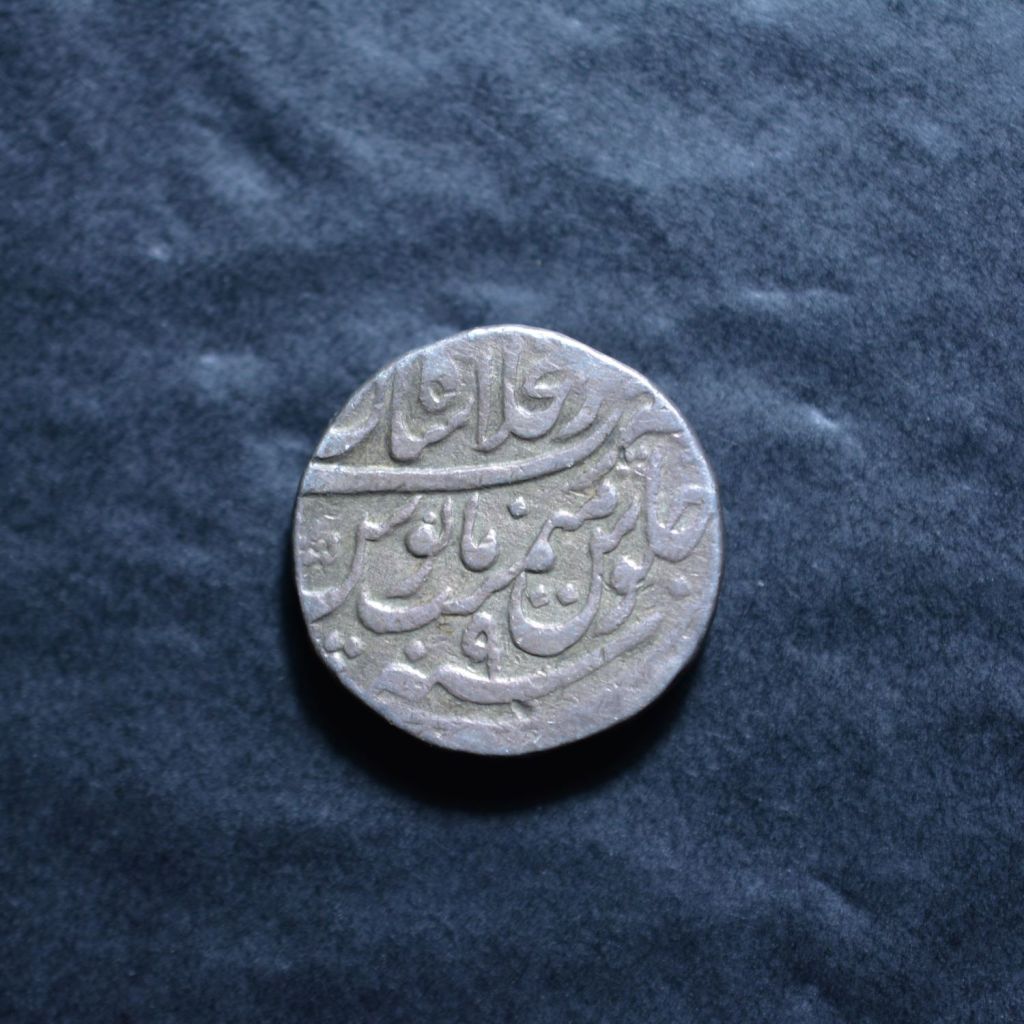
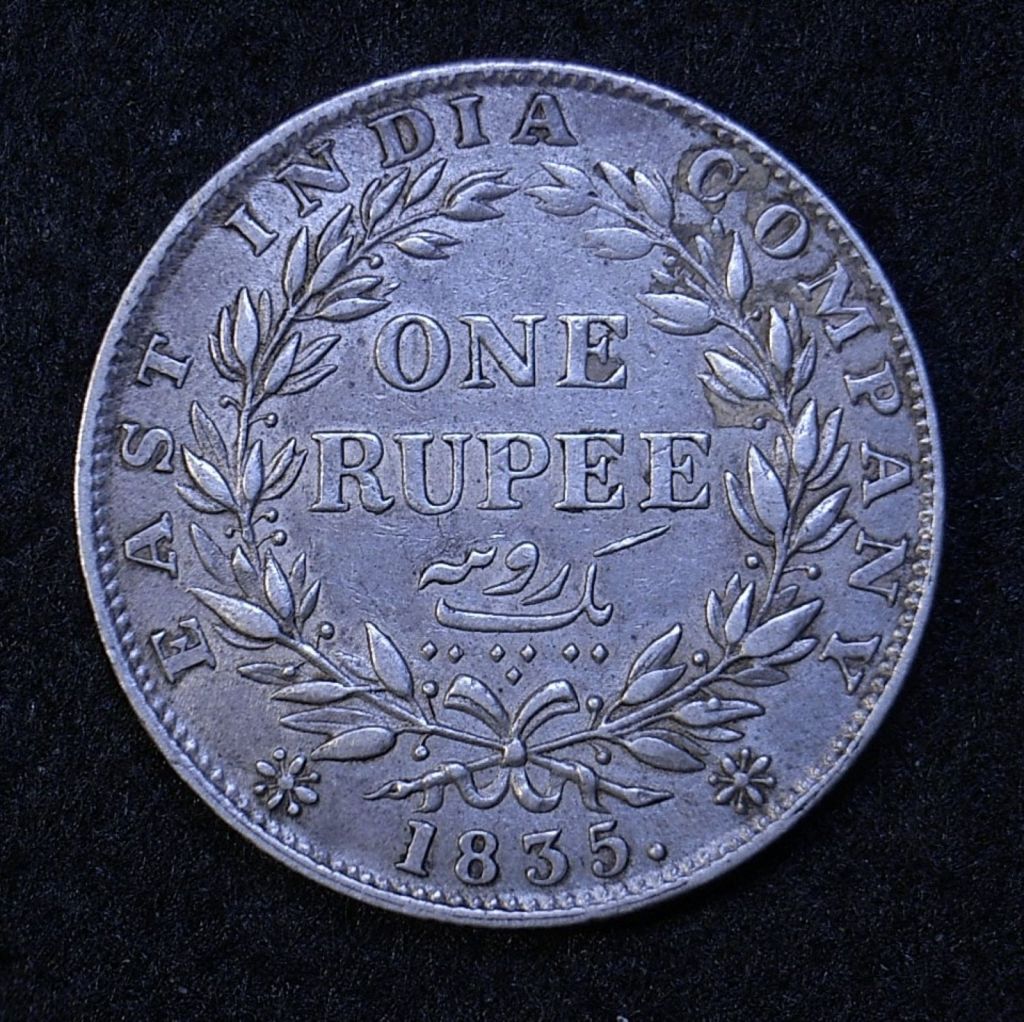
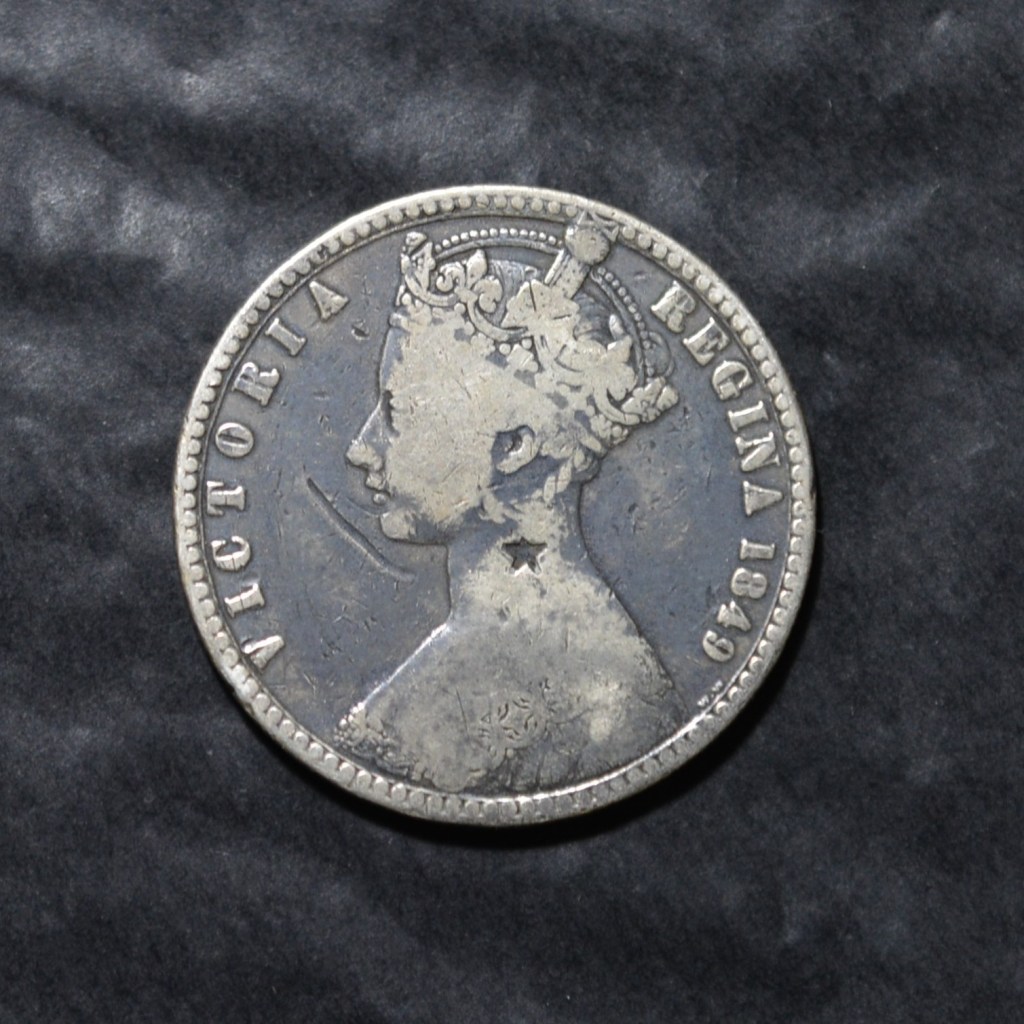
In the early days of settlement and in common with other colonies such as those in America, the British omission in providing coinage means that today we enjoy an interesting numismatic field. People still needed money for everyday transactions and so accepted a wide range of sometimes exotic silver pieces similar in size, weight and fineness to what became a florin. Precisely which coin types were in common use before the introduction of sufficient British regnal currency is open to debate, still whatever your take on that topic, it remains a fascinating area for the Australian florin collector.
Commonwealth Coins
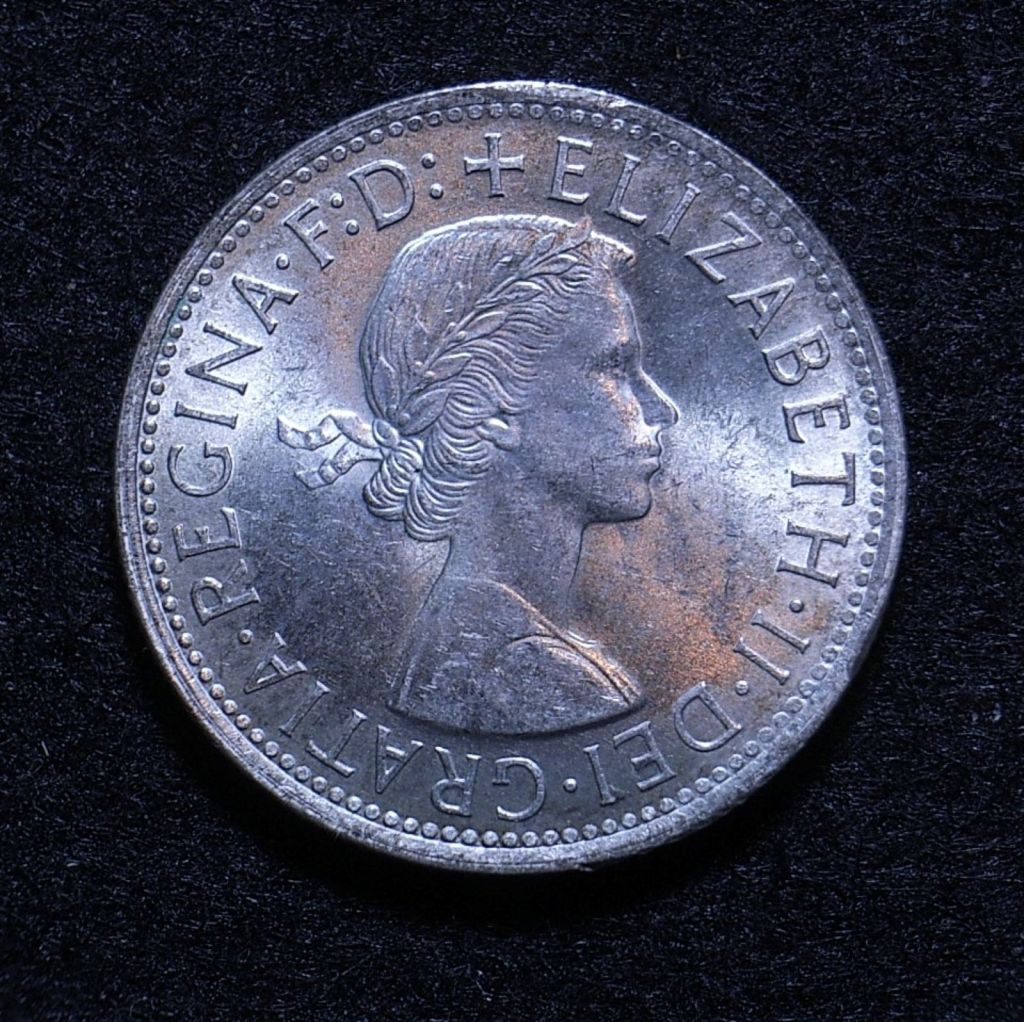
If that’s not your cup of tea, it can be easily sidestepped by focussing on items produced for standard Australian circulation, a set of coins produced for almost all of the period 1910 – 1963.
Modern Equivalents
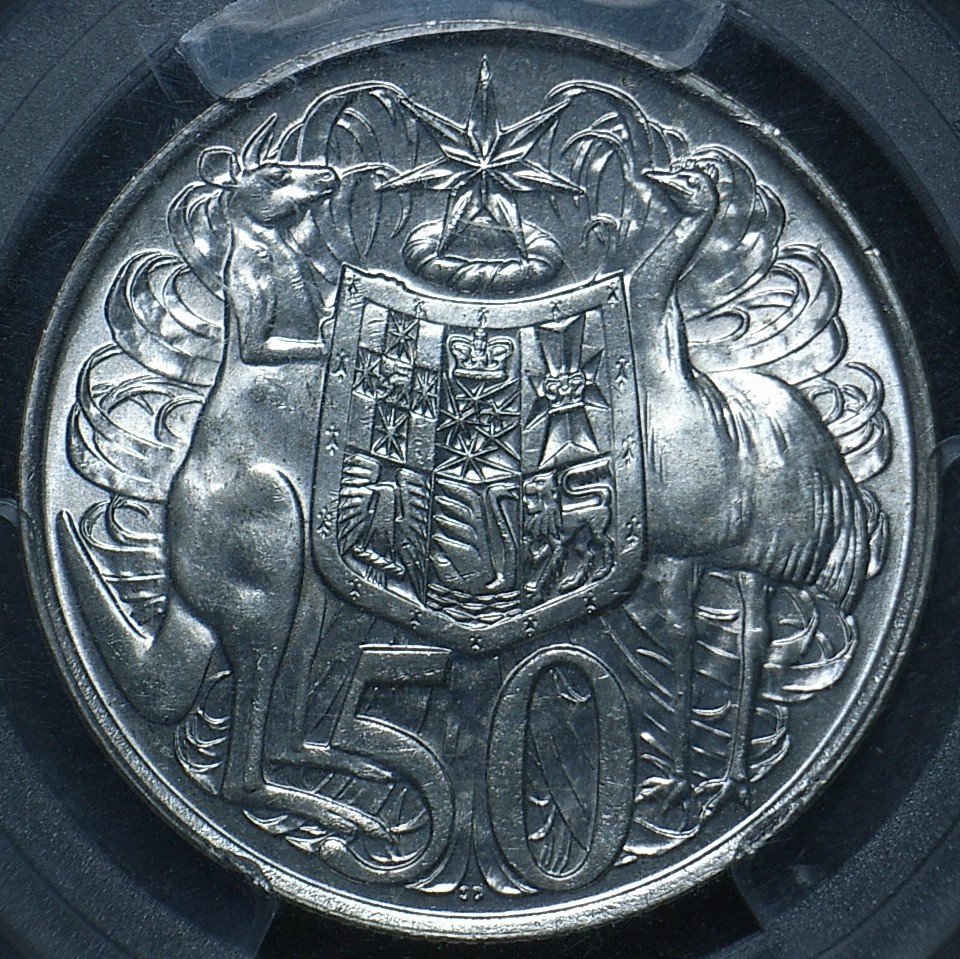
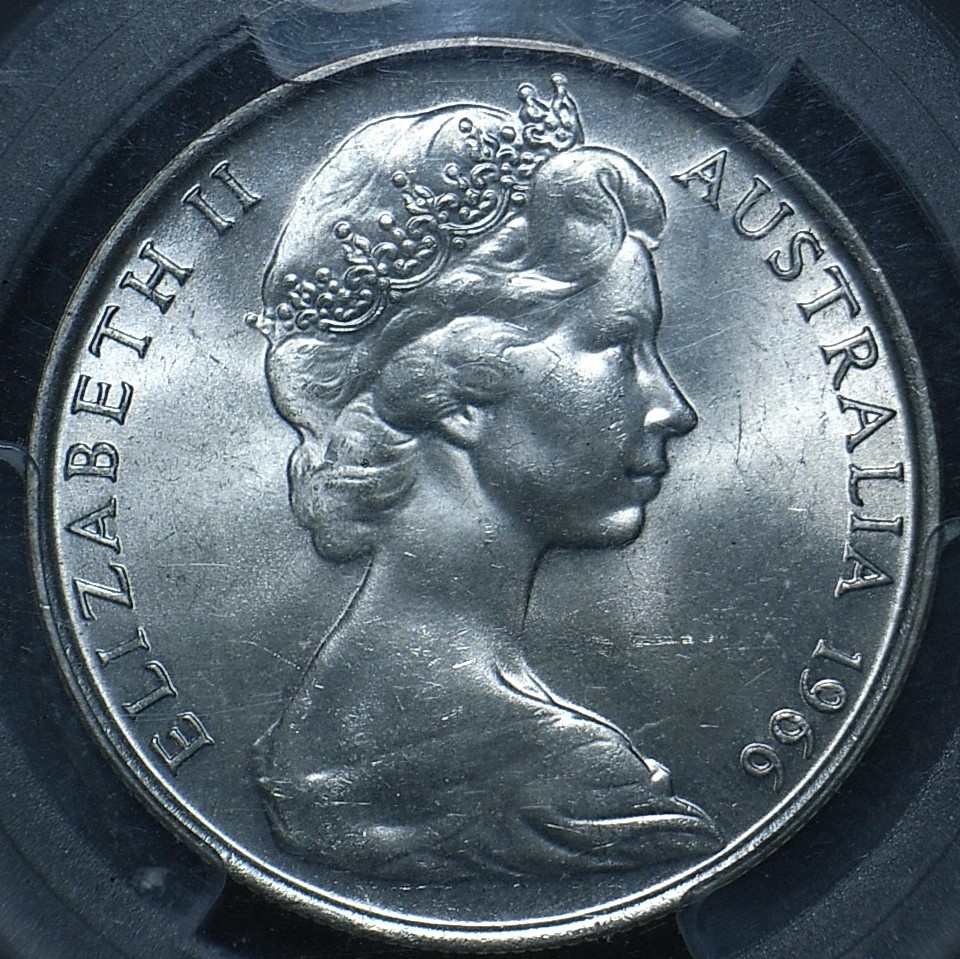
Decimalisation, in 1966, put paid to florins altogether although a vestige hung on in the form of the round 50 cents, a coin quickly hoarded for its silver content and equally rapidly replaced with a cupro-nickel token more in keeping with the overall government move from sterling to fiat.
Happy Collecting!
Many thanks for reading!
If you liked the post, please consider following the blog in order to receive notifications of new posts by email.
 ralw1723.com
You must be logged in to post a comment.