Paperwork
Now that’s an interesting question – the earliest written evidence on hand for me is ‘Renniks Australian Coin Guide Part 1‘ by Dion H. Skinner, published in 1975. In it he discusses this question, albeit briefly, in a section titled ‘Proclamation – Coins’.
Included are 2 full pages of photos in black and white: ‘Type set of Australian Proclamation coins of 1800’.
Evidence
Dion pretty much stuck closely to the actual earliest written evidence, which is the list of coins in the proclamation issued on 19th November, 1800.
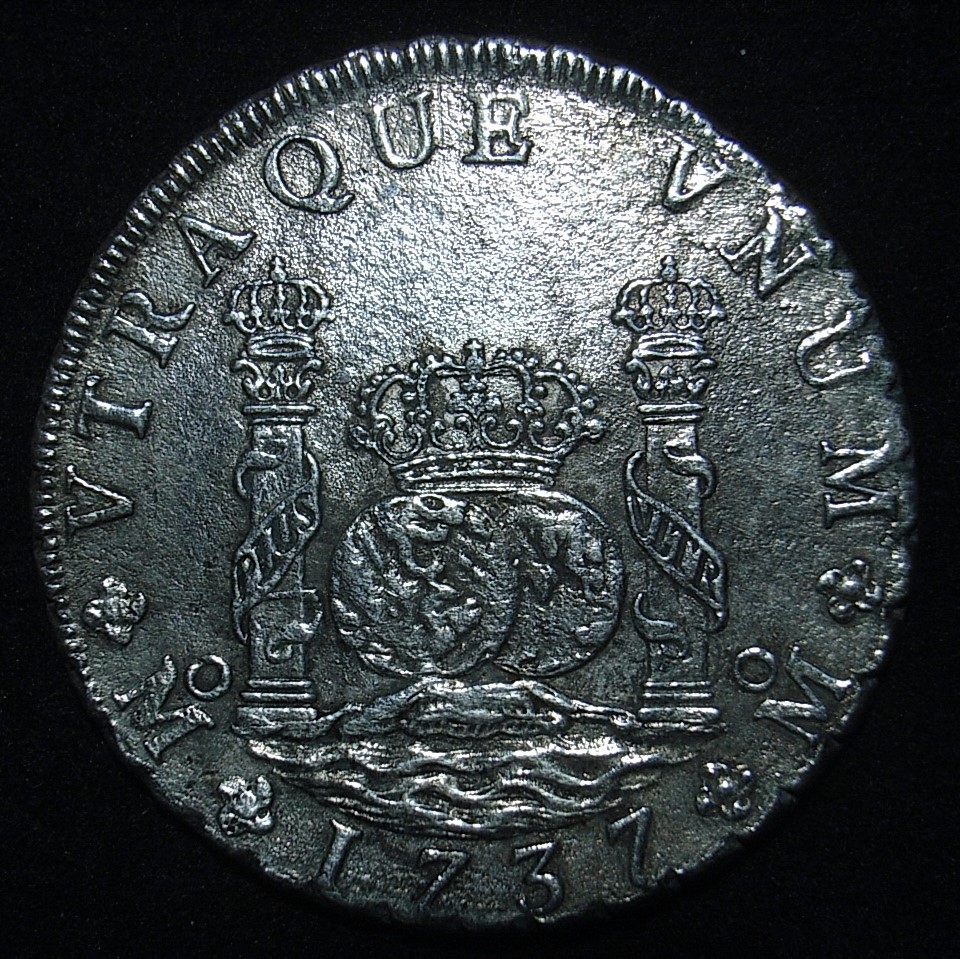
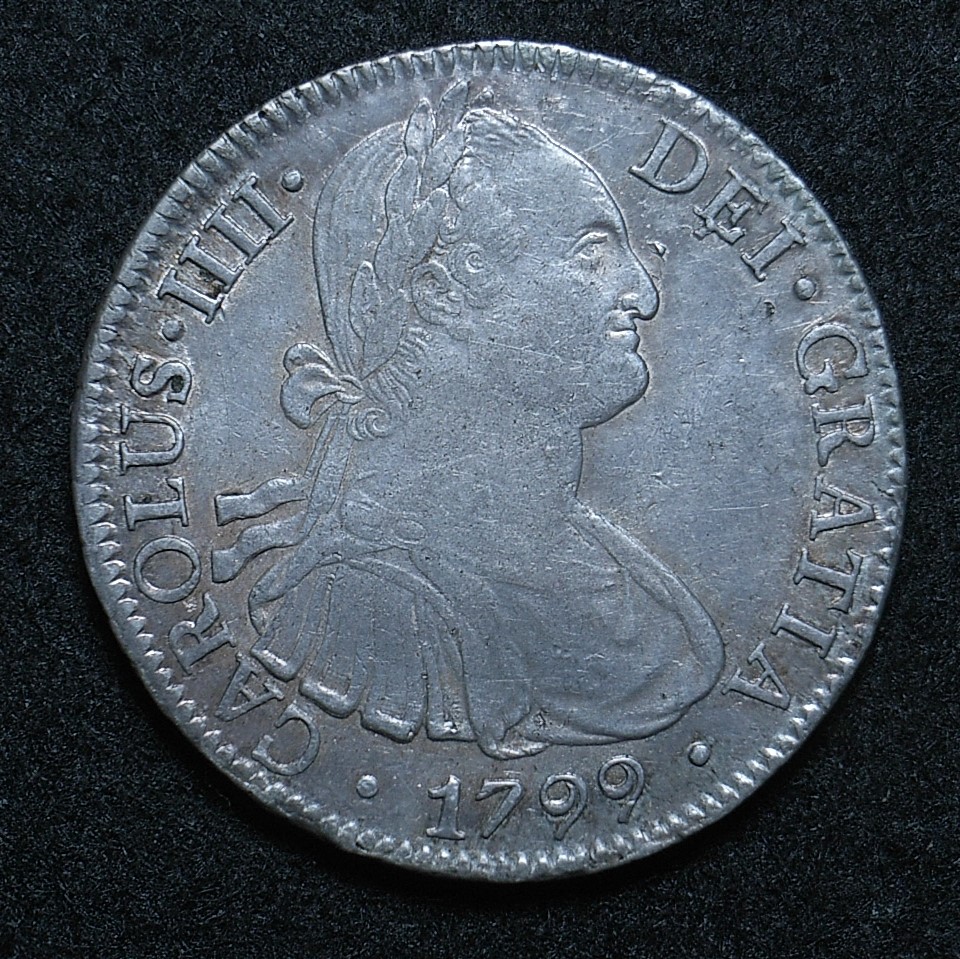
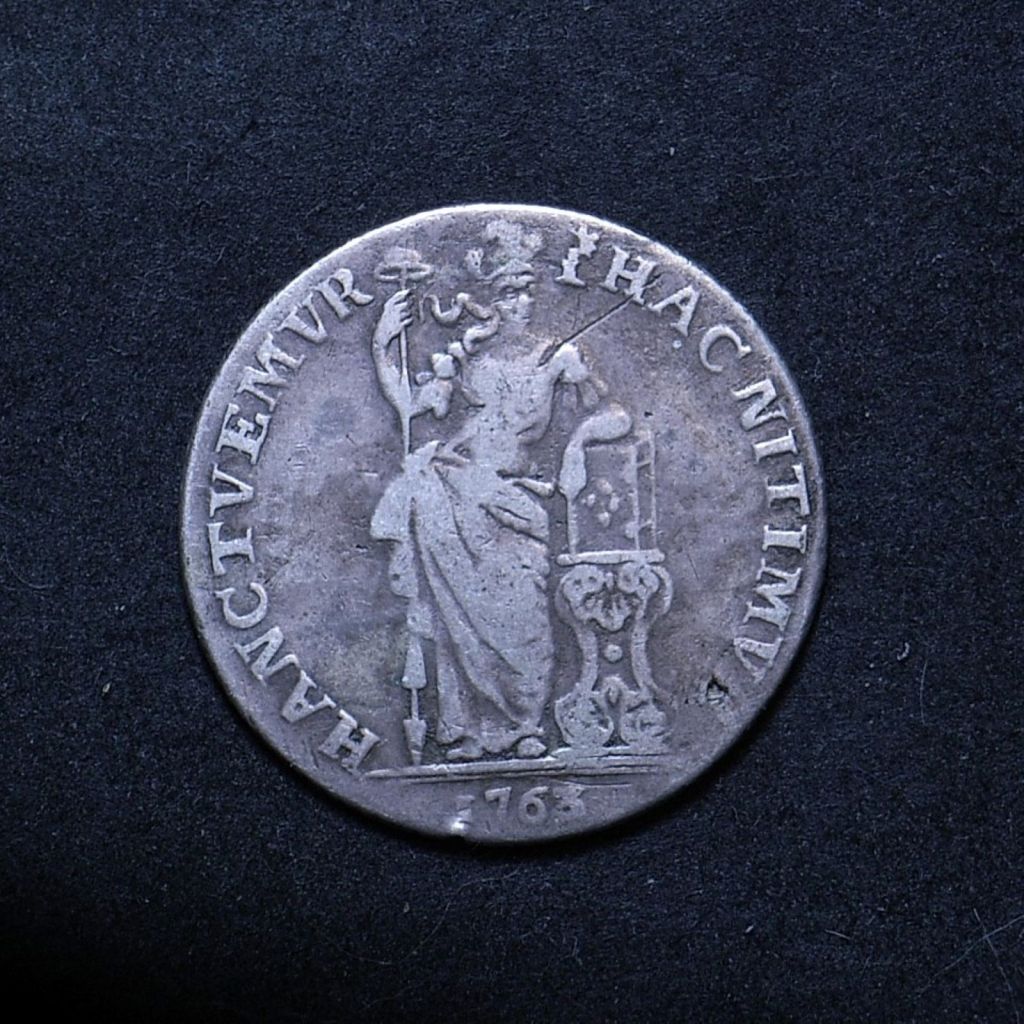
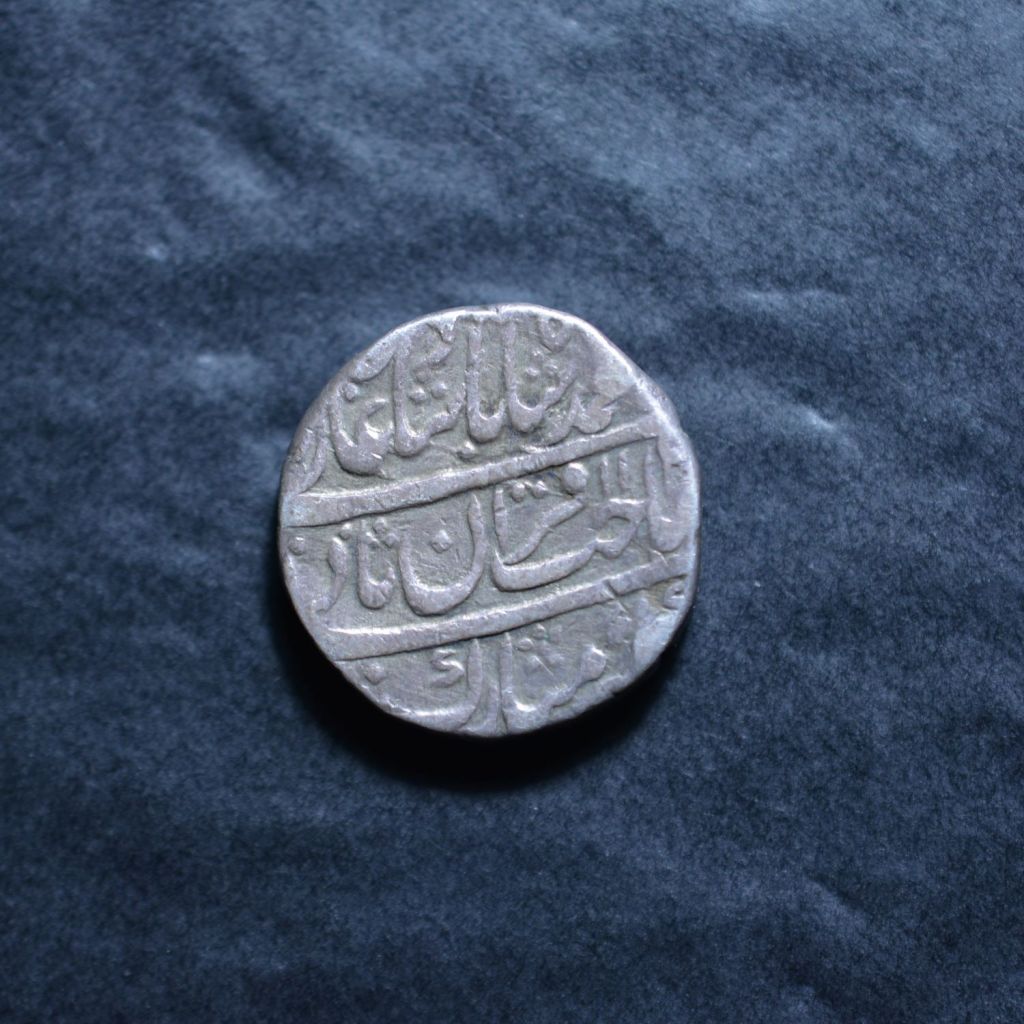
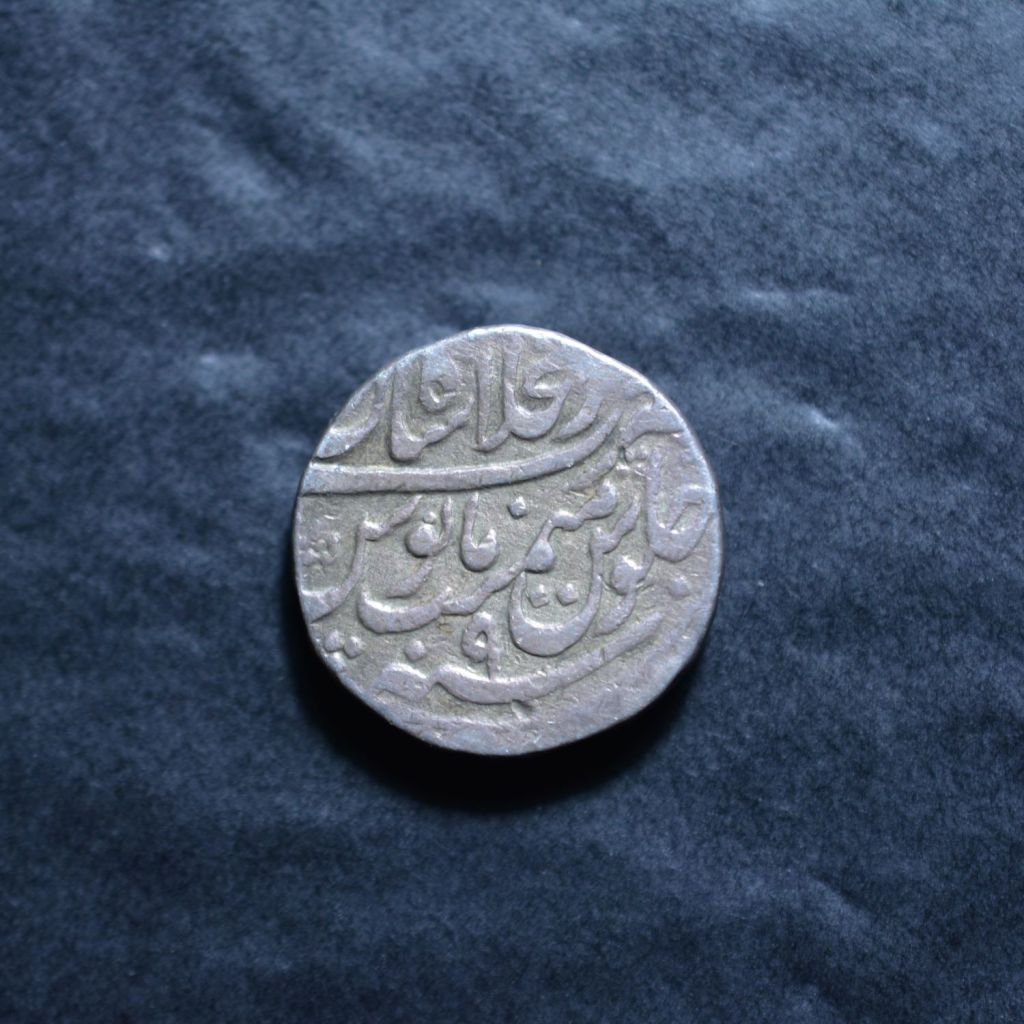
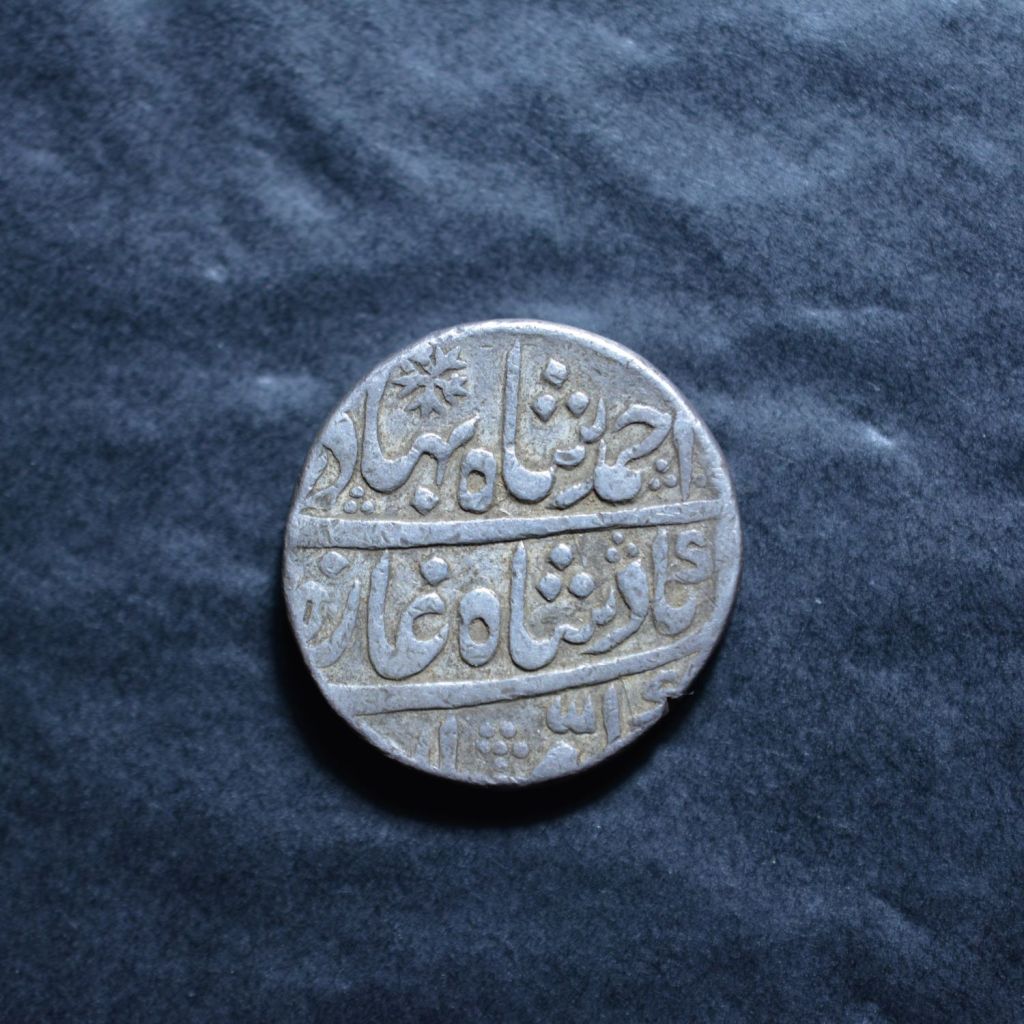
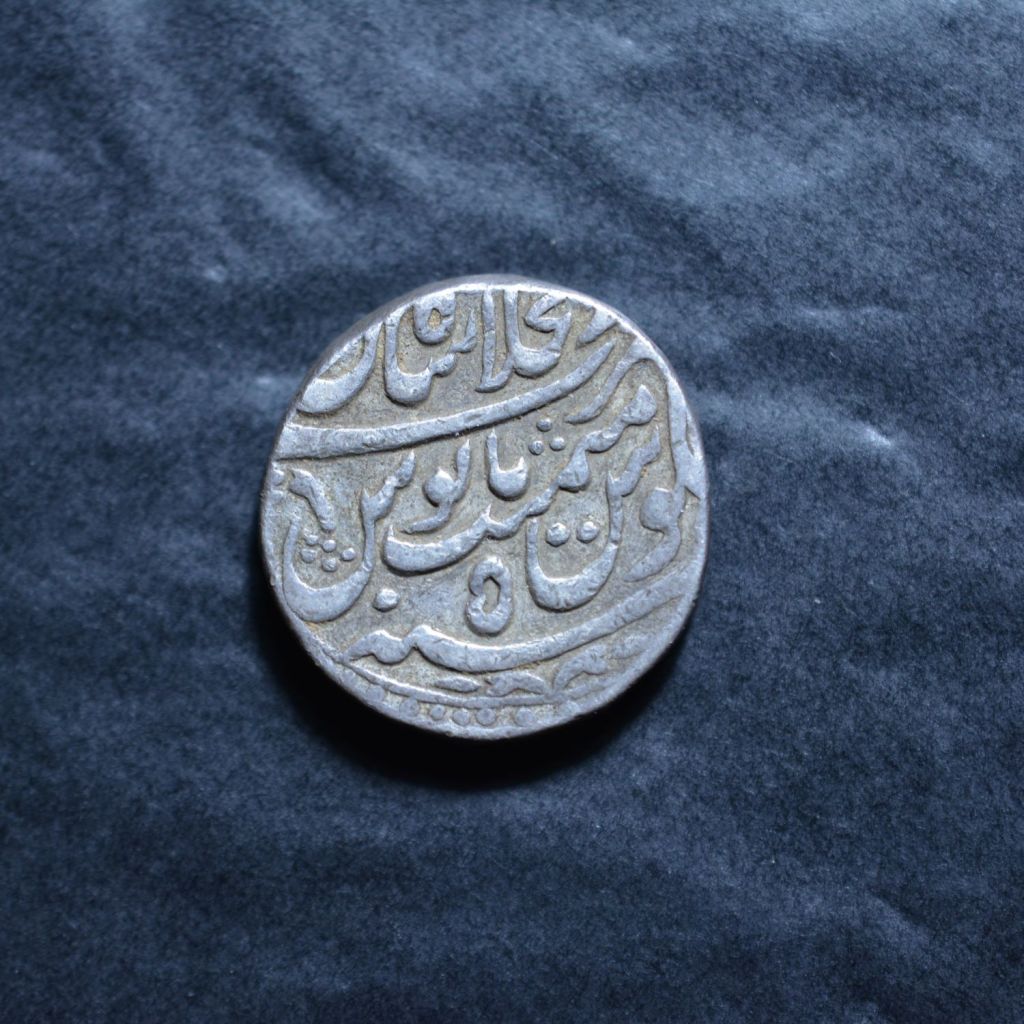
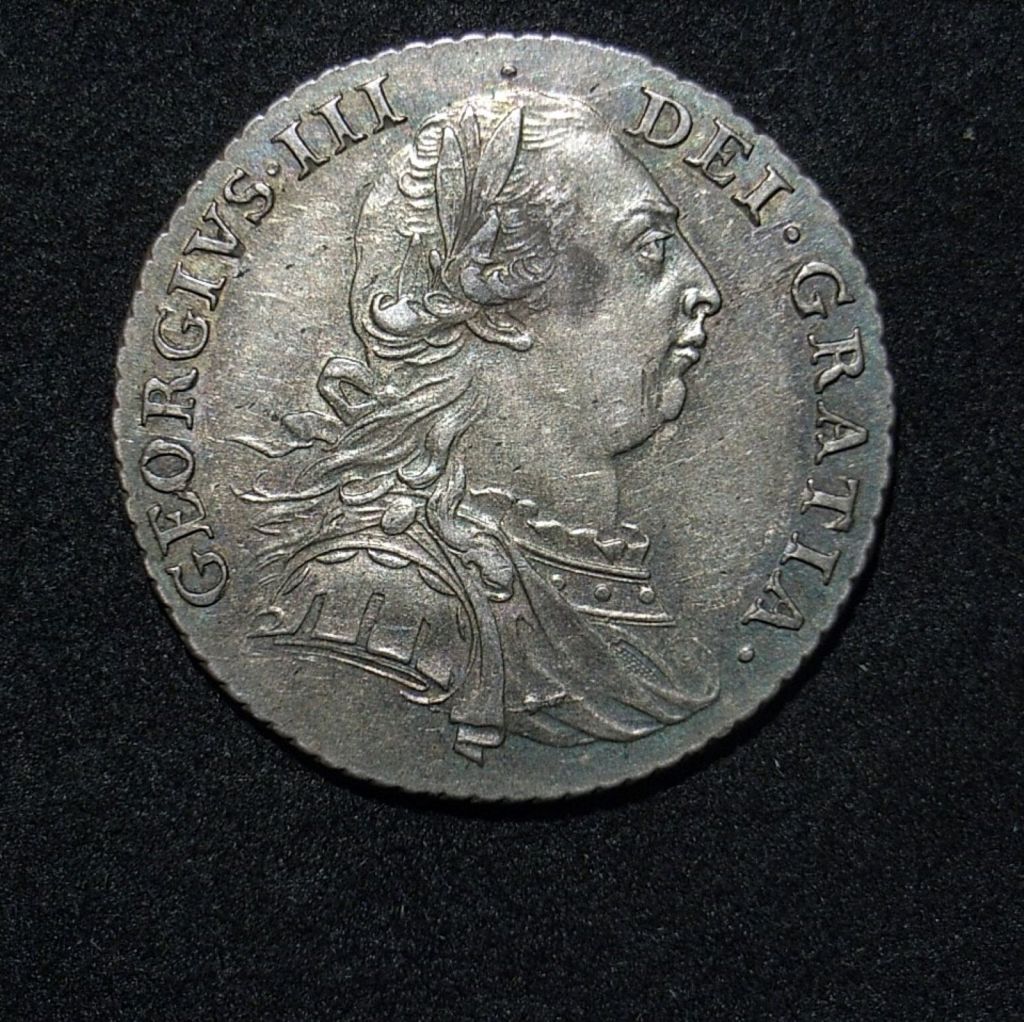
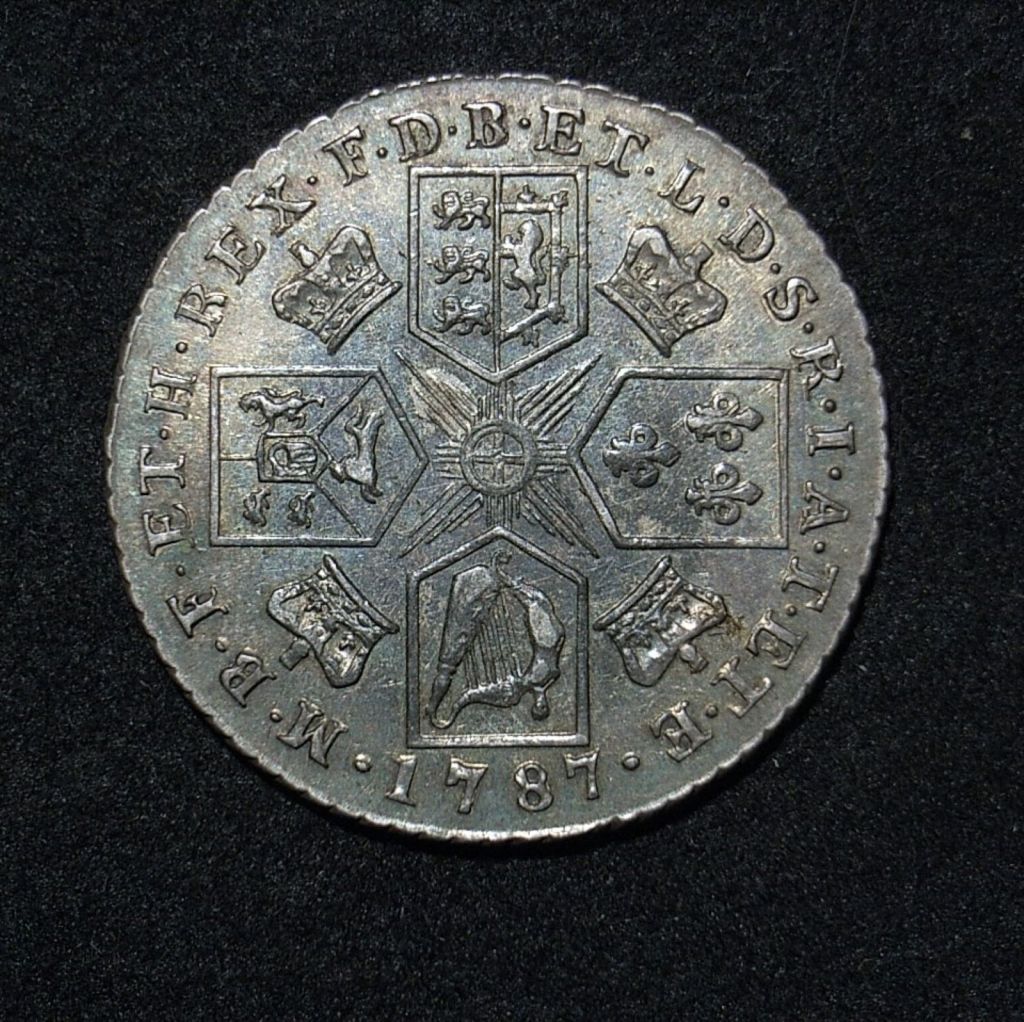
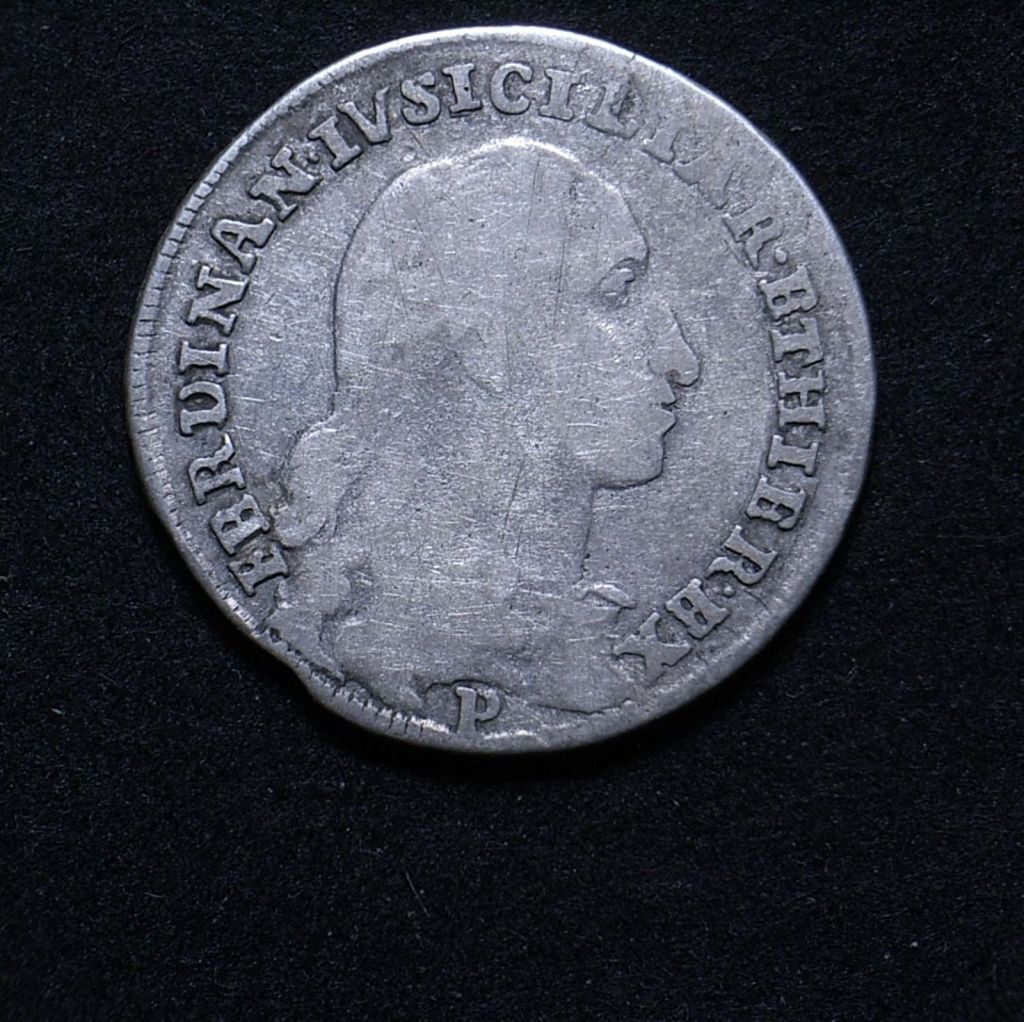
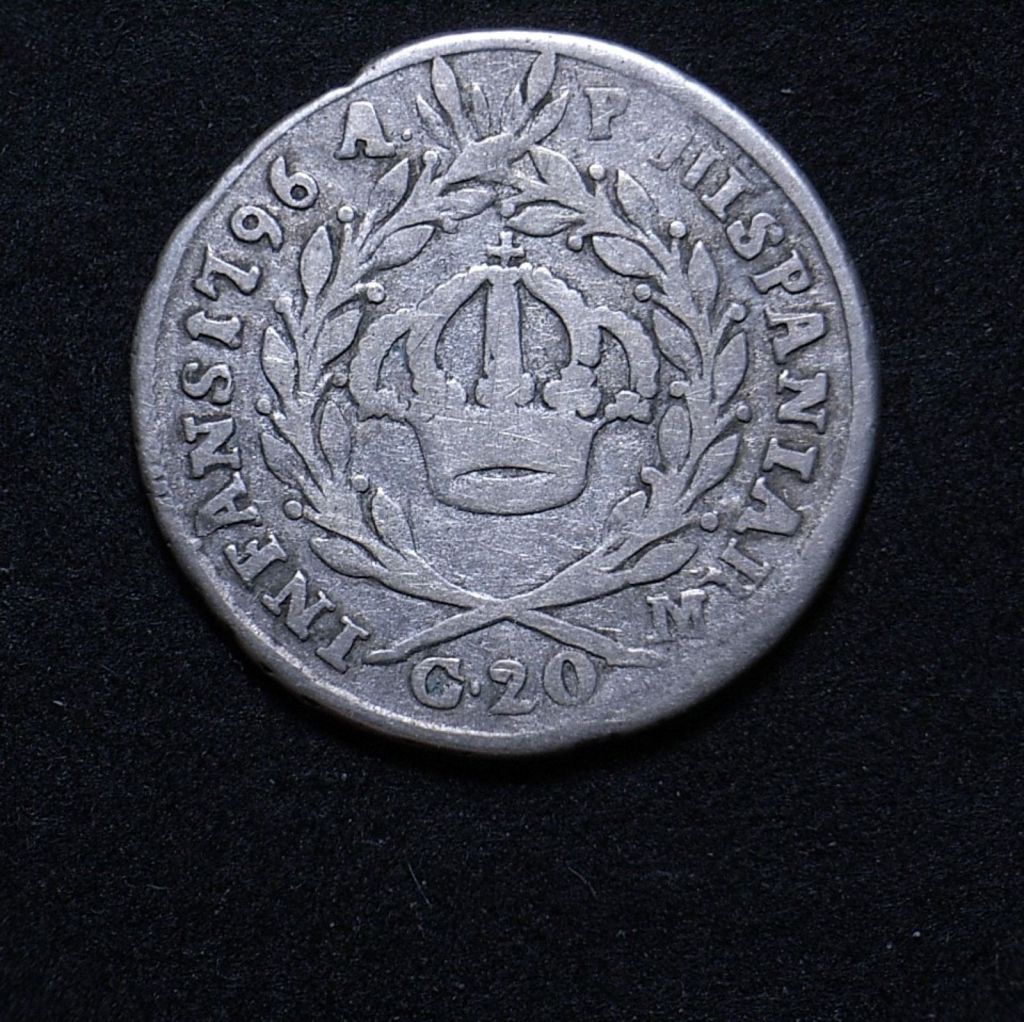
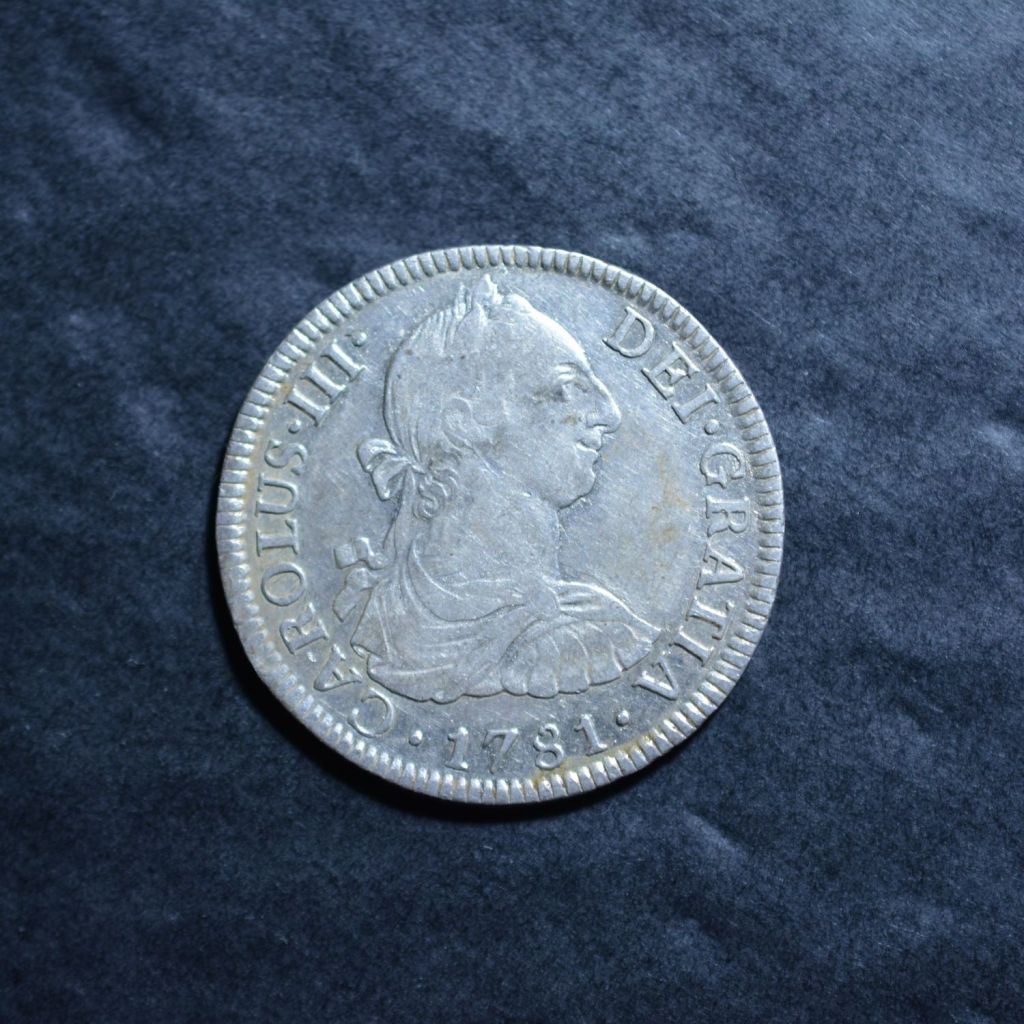
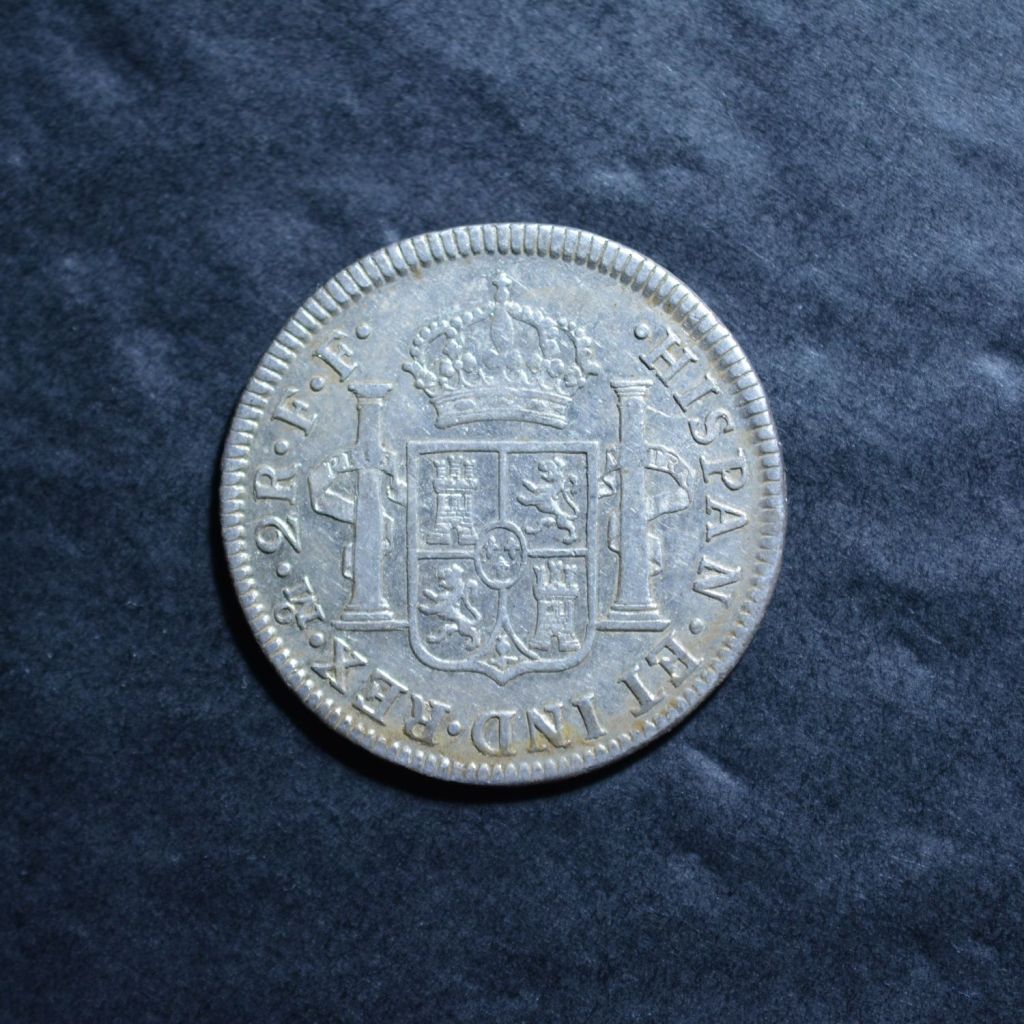
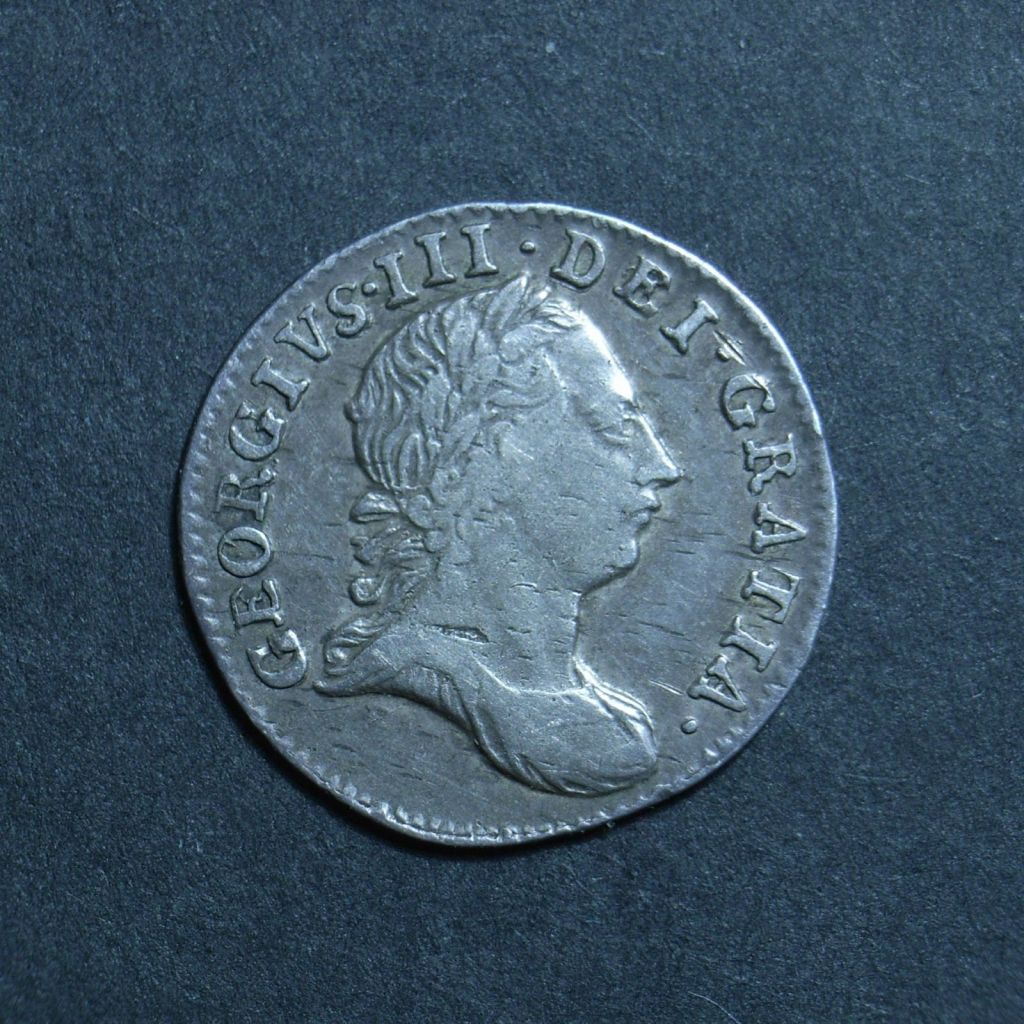
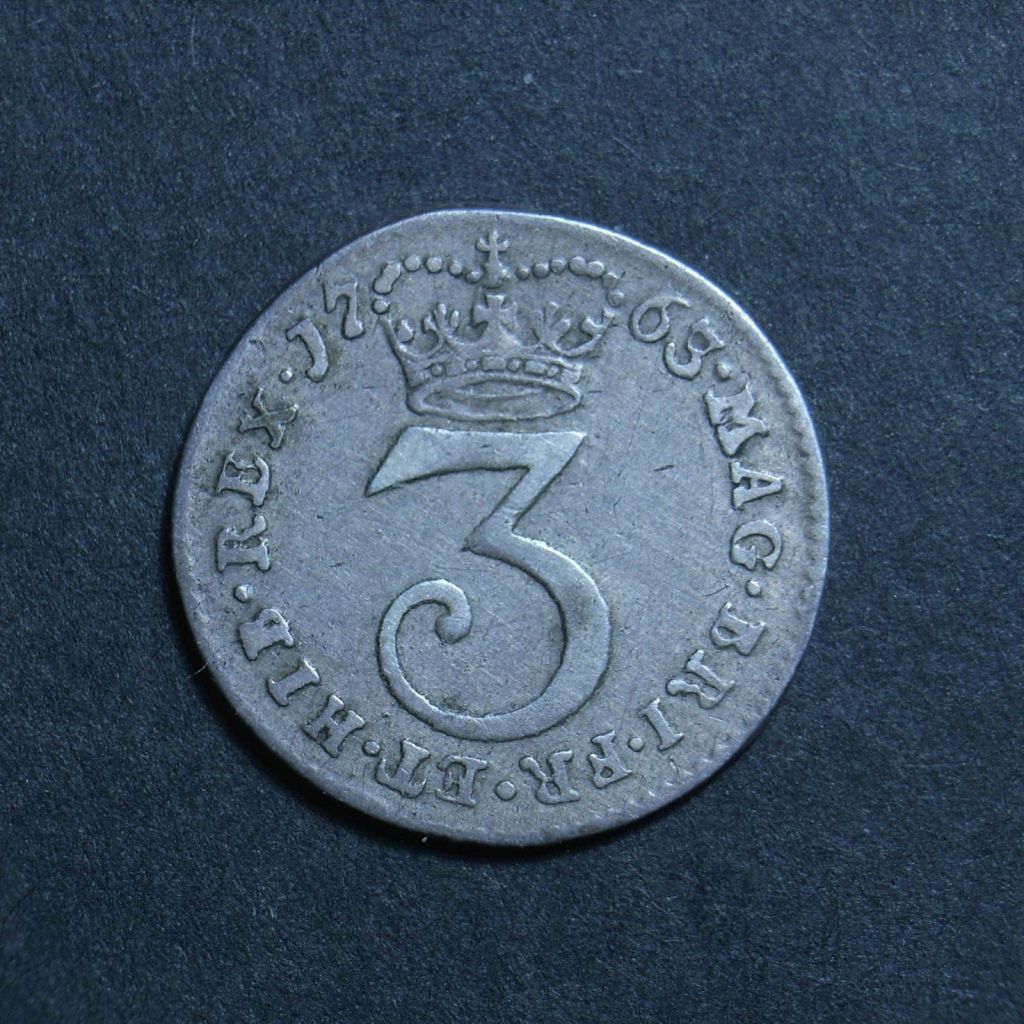
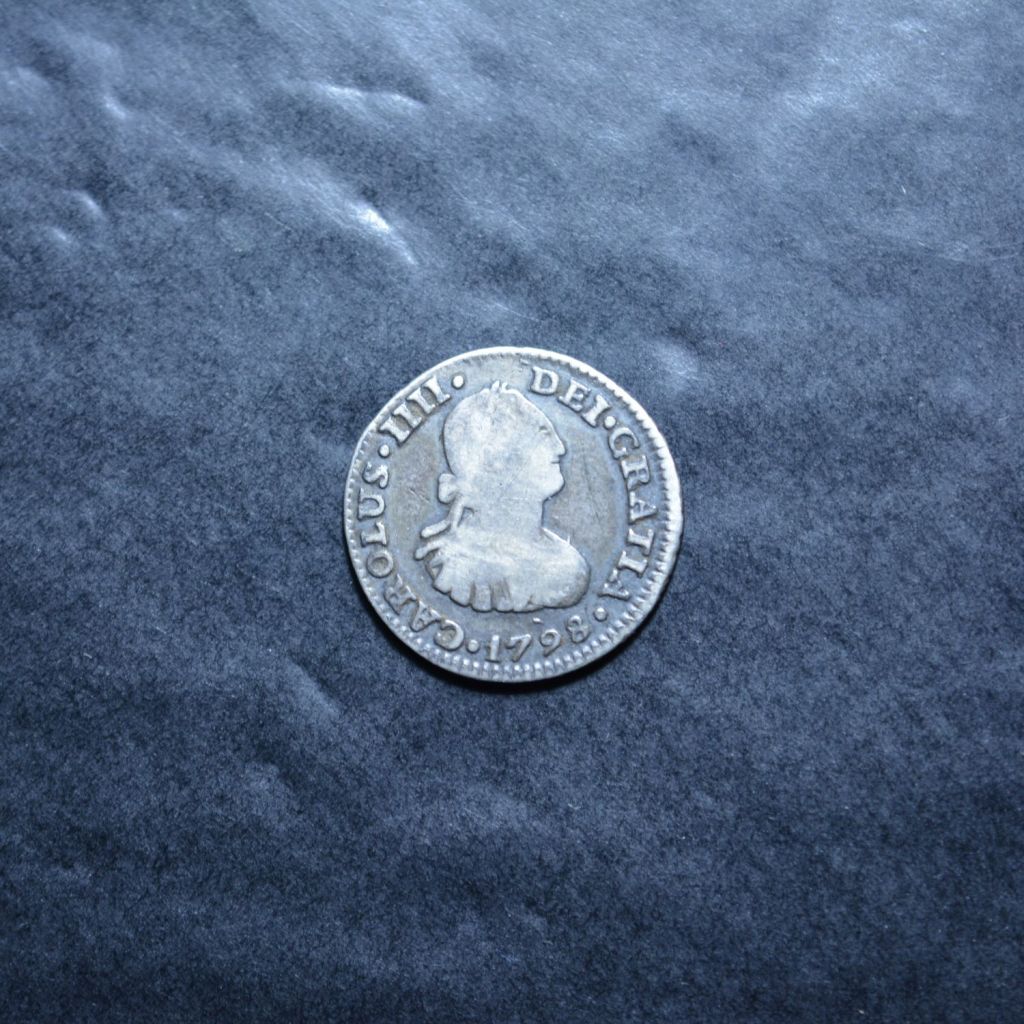
These were, in descending order of value – a guinea, half Johanna, gold mohur, Spanish dollar, Johanna, ducat, pagoda, rupee, Dutch guilder, English shilling, copper coin of 1 oz, ½ oz, ¼ z.
This is what I’ll loosely call the strict definition – definitely a set well worth putting together, out of my league on account of a lot of gold coins, particularly Portuguese!
Options
Depending on how you prefer to build a collection, it’s completely valid to add coins, for example the 2013 edition of Renniks included 3 English copper examples with the note that the type was not included in the original document, specifically a George III farthing, the 1799 halfpenny and the cartwheel tuppence.
For my money, if you allow that sort of expansion and why not, then lots of all those coins on the list come into play. I mean, an English shilling is not just the 1787 KGIII but also earlier types, possibly dating back decades.
The 2013 Renniks photographs make up a set which basically adds similar coins in comparison to Dion Skinner’s 1975 publication which started out with 13 types (versus 21 with additions by Renniks).
The world is your oyster
Anyway I think most reasonable collectors would agree with some kind of expanded version. There’s a lot of latitude and some very large sets are possible if you get right into it. Rupee is generally taken to refer to a wide variety of hammered Indian rupees, often from the 1700s. East India Co coins would include early 1800s copper. Basically all the English coins would be included. That sort of thing, it can be a lot of fun!
This is the approach I’m more or less following with these types of coins these days!
Happy Collecting!
Photos of Australian silver coins



Many thanks for reading!
If you liked the post, please consider following the blog in order to receive notifications of new posts by email.
 ralw1723.com
You must be logged in to post a comment.