Japan presents us with an interesting culture and rich history.
The Samurai period
Naturally, you can’t go past Japan without considering the samurai.
Here’s the kind of money they used towards the end of the Tokugawa shogunate.
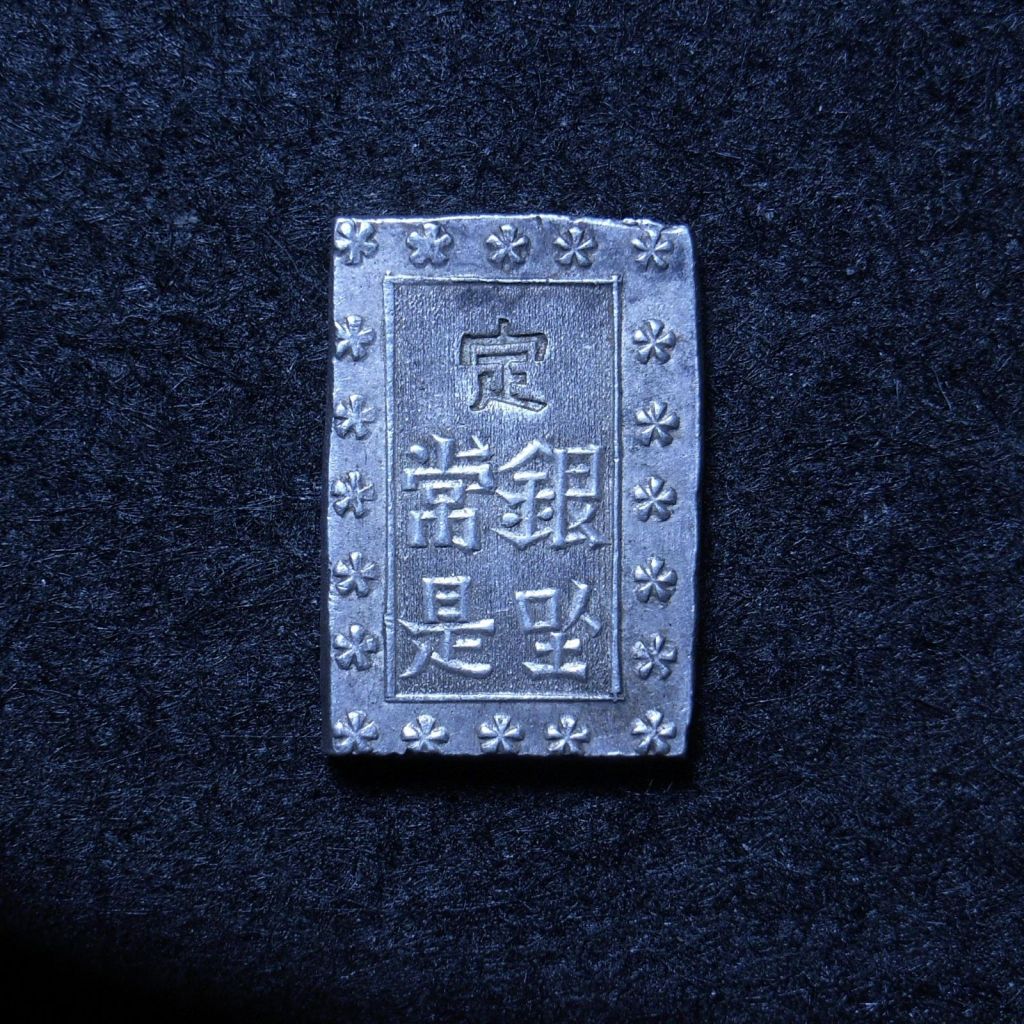
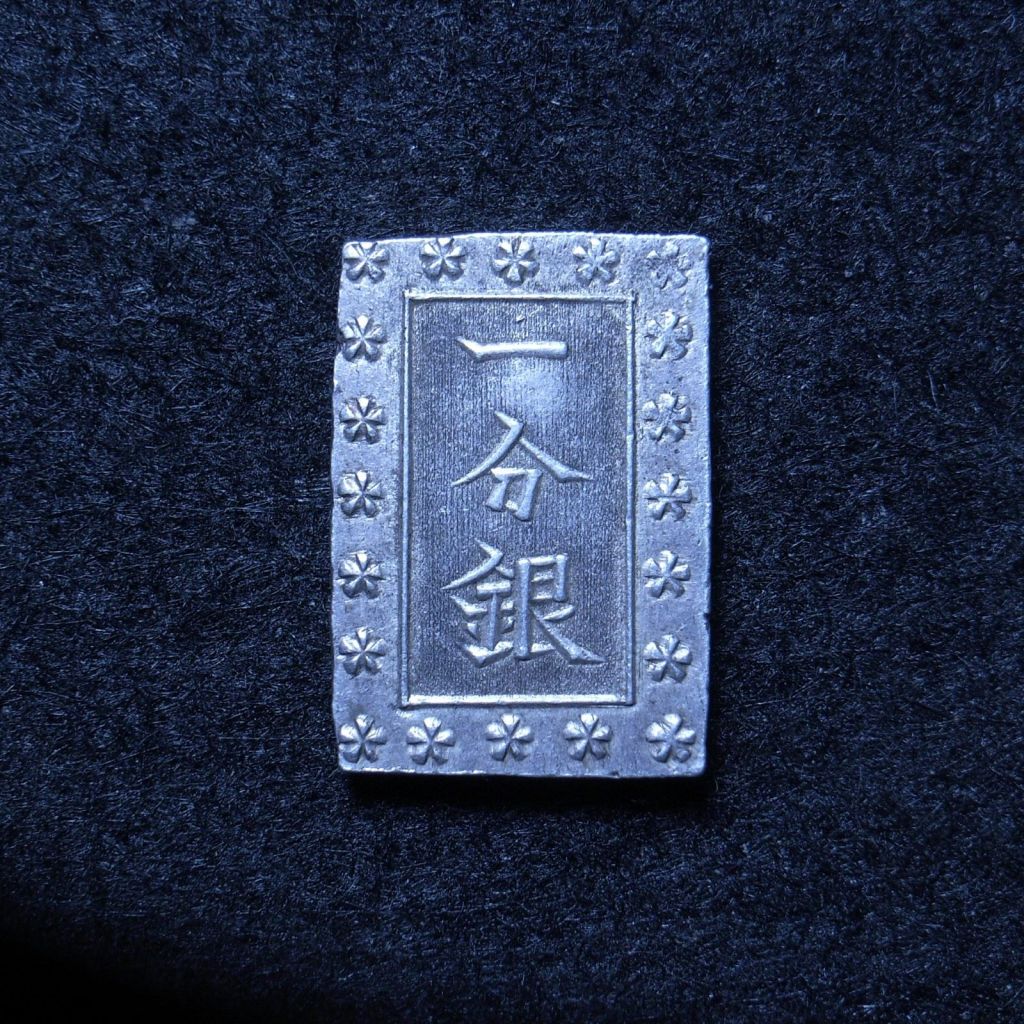
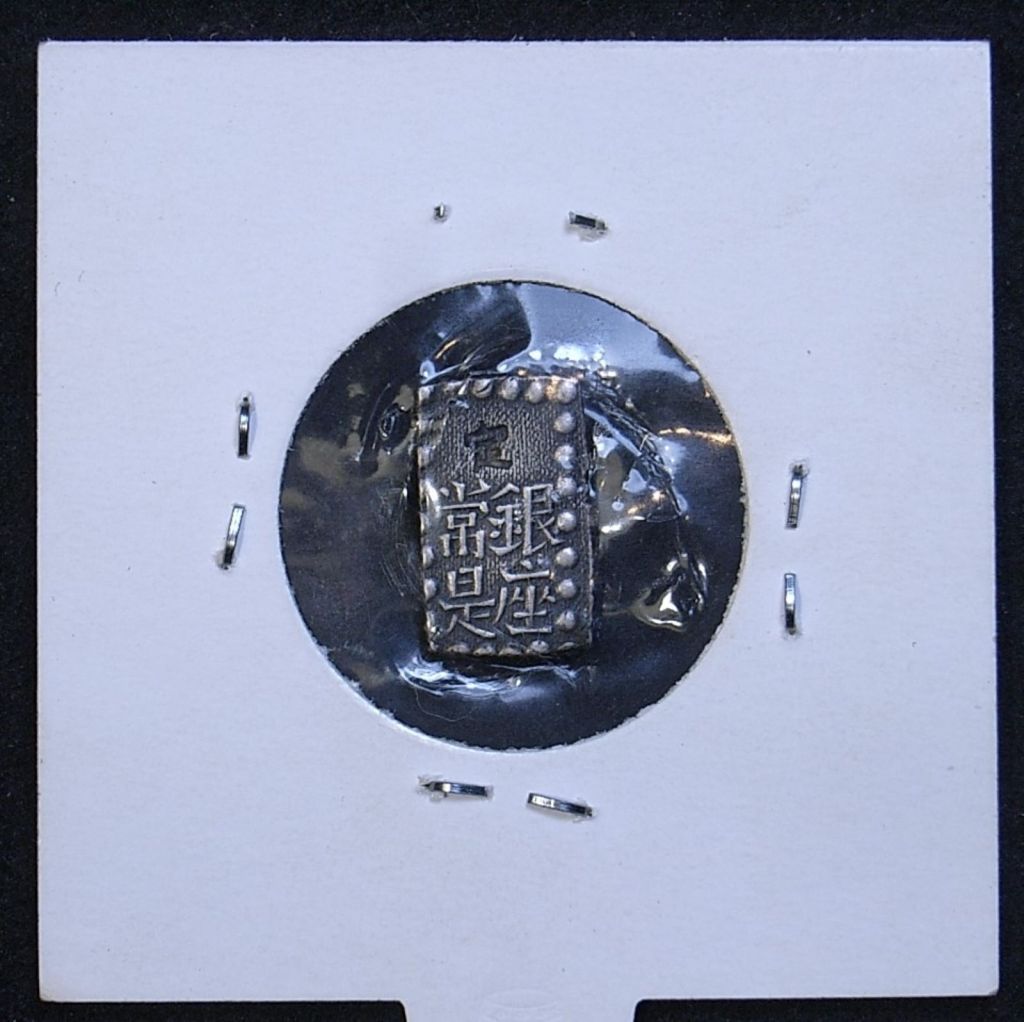
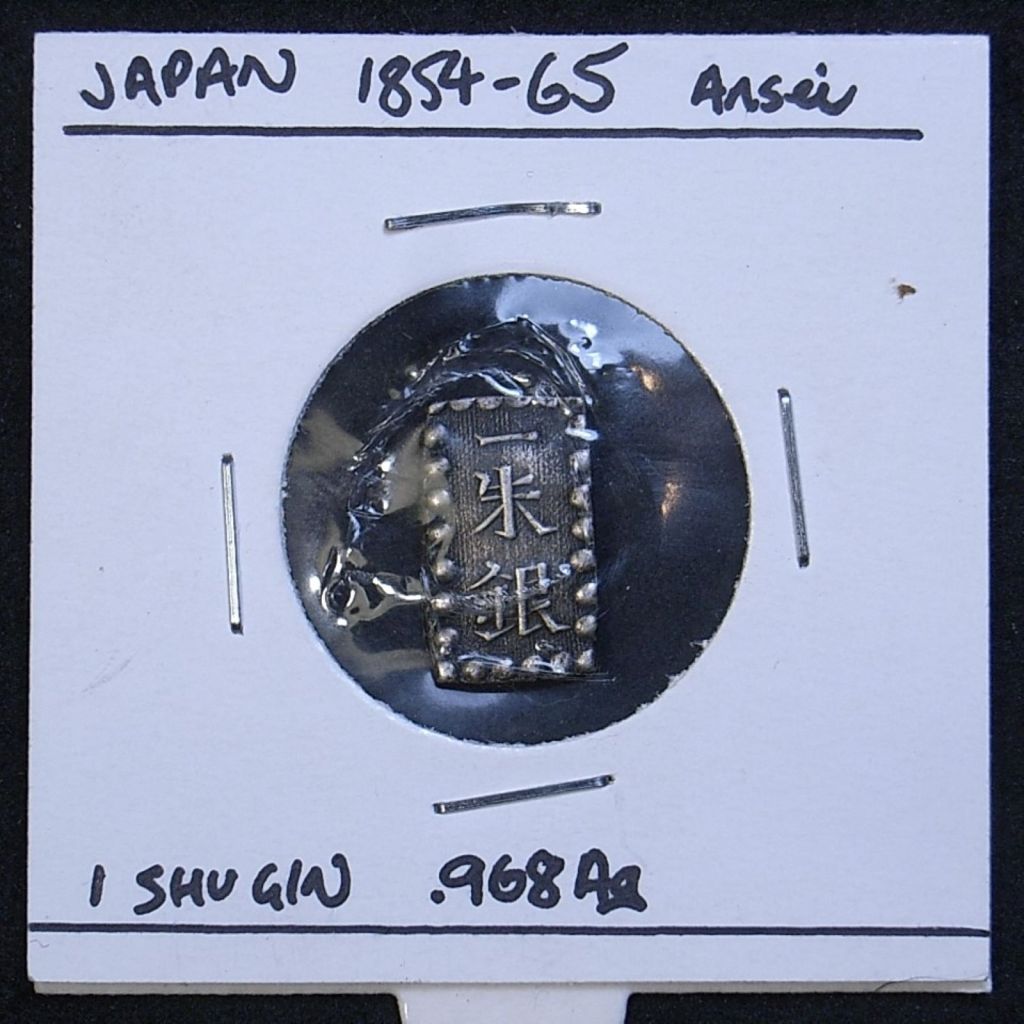
A big silver coin
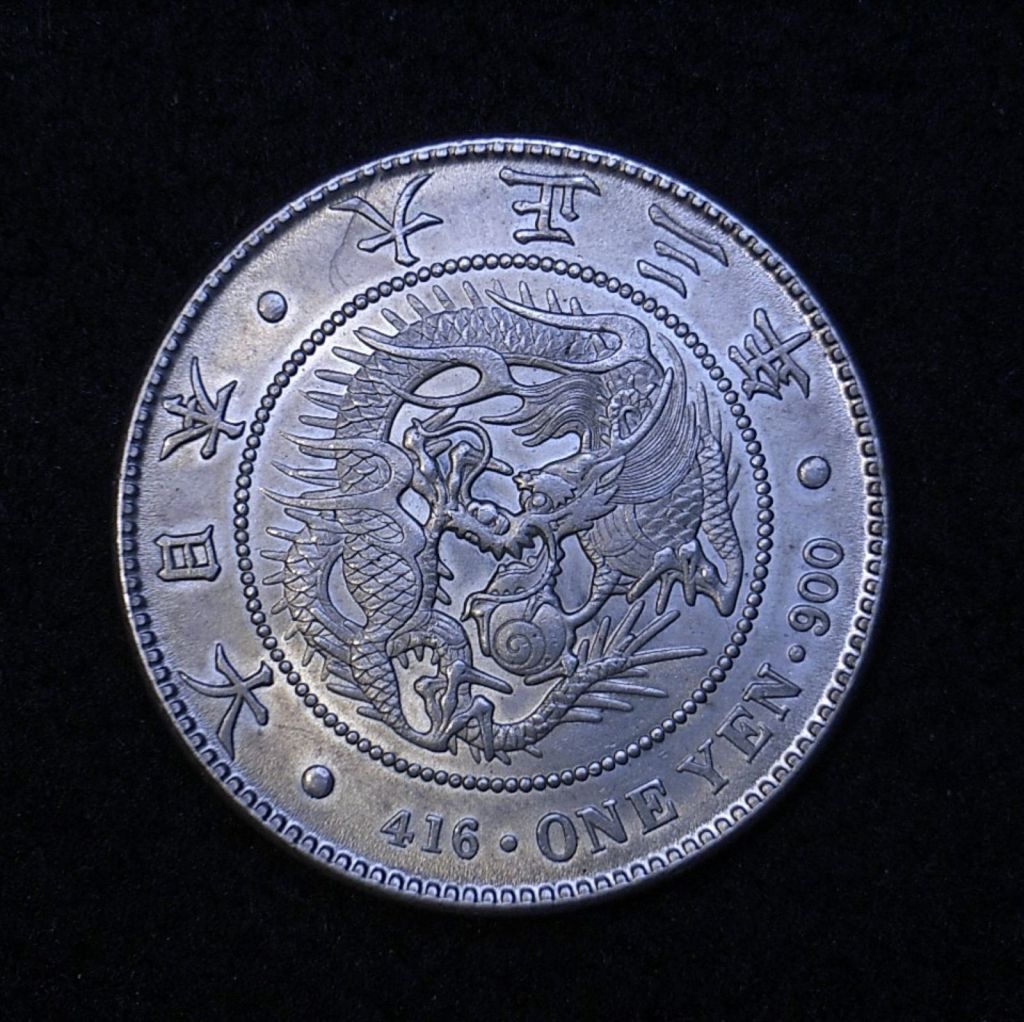
By 1914, Japan was an ally of Great Britain and the yen appeared as a large, round, silver coin manufactured in a state of the art mint at just under 27g and .900 fineness.
In those days the amount of precious metal in your currency was an important consideration.

Enter reality
Of course, everything changed so that now, after the passage of 100 odd years, the yen has become a small, aluminium piece and no-one really cares about silver as money any more.
In Japan the end for silver currency came in the 1960s, part of a worldwide trend that saw countries move to coins without any intrinsic value.
Old habits die hard, though – here’s a sterling silver 1,000 yen featuring Mt Fuji, produced in 1964.
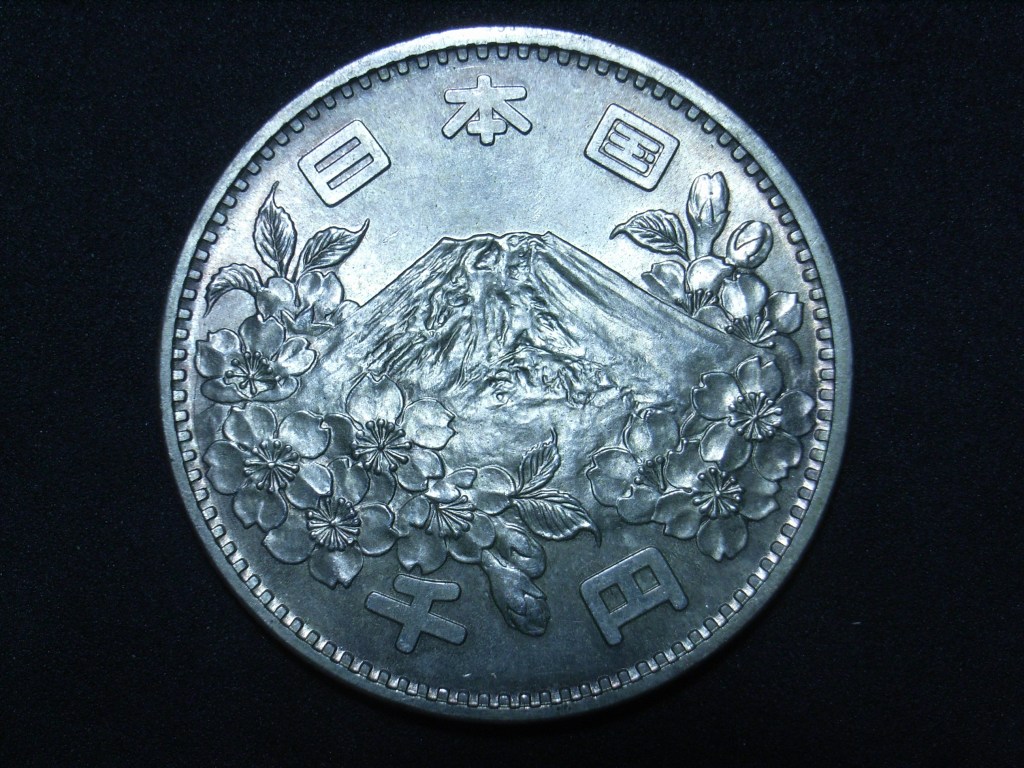
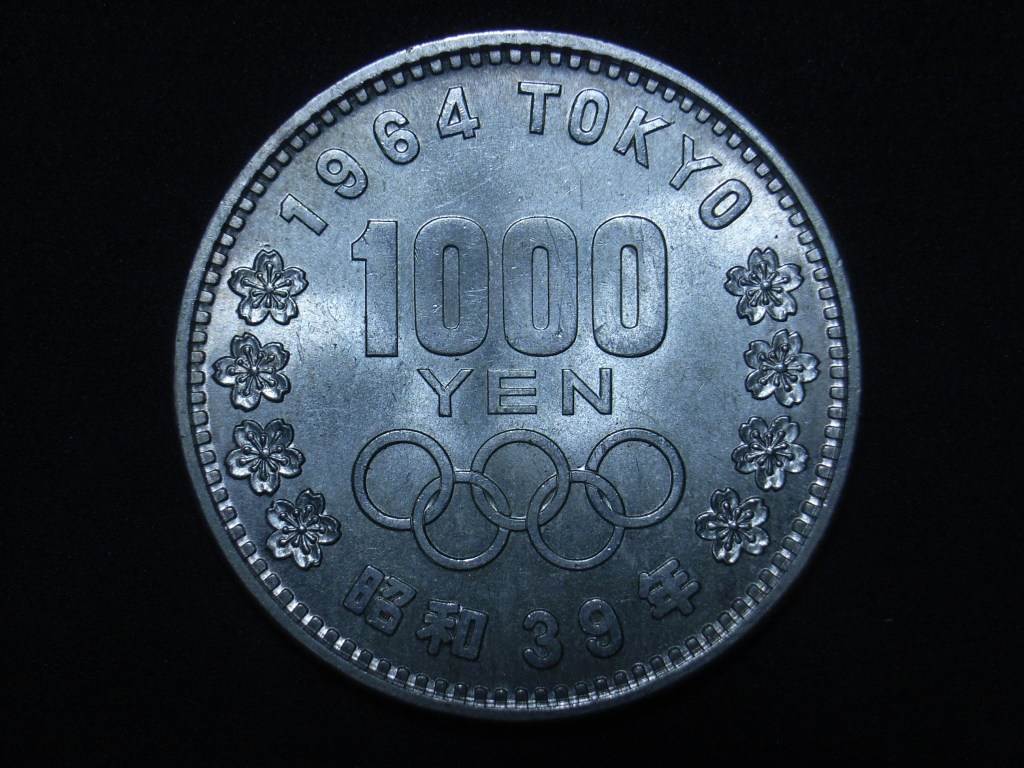
It’s really a purely commemorative coin, though, limited (!) to something like 15 000,000 pieces.
There was also a ‘circulating commemorative’ from the same year – the Tokyo Olympics 100 yen (.600 Ag), a much smaller shilling sized silver piece.
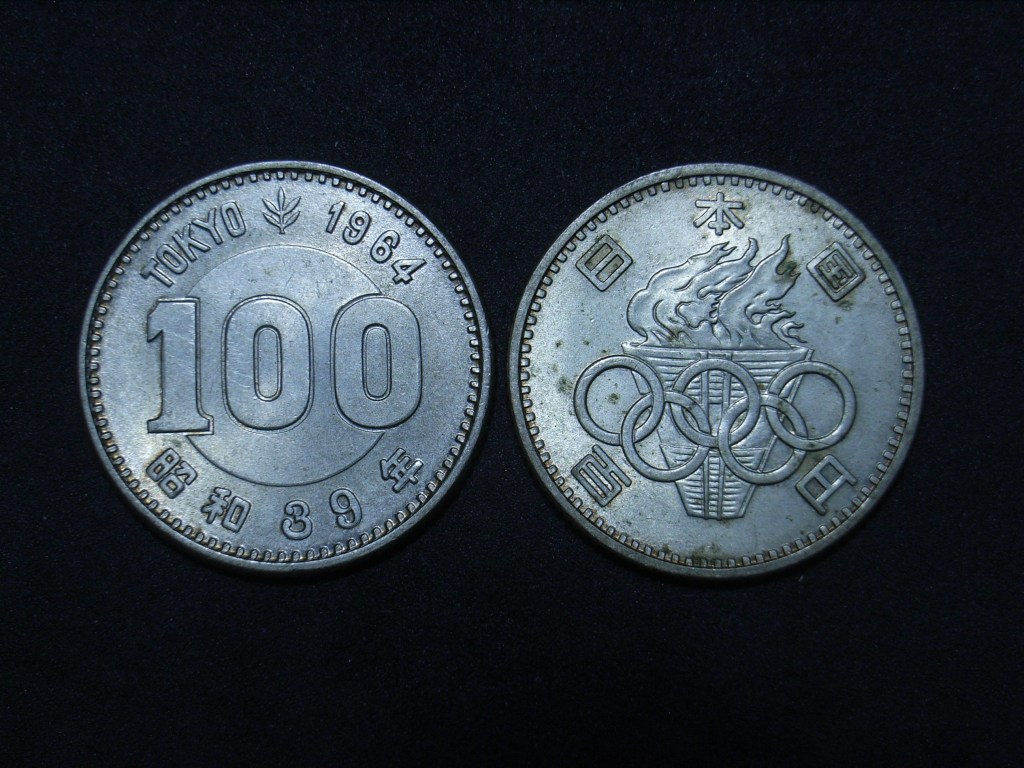
That was issued alongside the same, much reduced size and fineness ‘standard circulation’ 100 yen which lasted until 1966.
From then on, it looks like only JPY 1,000/5,000/10,000 ‘made for collecting’ stuff warranted precious metal content.
Happy Collecting!
Many thanks for reading!
If you liked the post, please consider following the blog in order to receive notifications of new posts by email.
 ralw1723.com
You must be logged in to post a comment.